Every year on 31 October, India marks the birth anniversary of Sardar Vallabhbhai Patel, who was born in Nadiad, Gujarat, in 1875. The government introduced National Unity Day, also called Rashtriya Ekta Diwas, in 2014 to observe the date, and 2026 marks his 151st birth anniversary. A nationwide Run for Unity is a familiar part of the day, and schools, colleges and offices hold pledges and talks on national integration.
Most of us meet Patel through a paragraph in a school textbook. A reading day is a better way to meet him again. This guide gives you the essential facts, explains why his story still speaks to anyone who has to lead a team, a family or themselves through a hard stretch, and recommends 14 books that carry the same themes: unity, resolve, discipline and clear thinking. Books at TheBookX start from ₹1, with free delivery and Cash on Delivery across India.
Quick facts
Why Sardar Patel still matters
At Independence, India was not one tidy map. Alongside the British Indian provinces there were more than 560 princely states, together covering roughly two-fifths of the country's territory. Bringing them into the Union was one of the most delicate tasks of the early republic, and Patel, as Home Minister, was the leader most closely tied to that work. Historians continue to debate details of individual accessions, so it is best to read more than one account, but few dispute that persistence, negotiation and a firm sense of the goal were central to it.
Earlier, Patel had become known as an organiser in the freedom movement, including the 1928 Bardoli Satyagraha in Gujarat, after which he is widely remembered with the title Sardar, meaning leader or chief. The Statue of Unity in Gujarat stands as a national tribute to him. For a reader today, the lesson is less about monuments and more about method: set a clear goal, keep your temper, talk to everyone, and do not stop halfway.
Books on nation, history and the idea of India
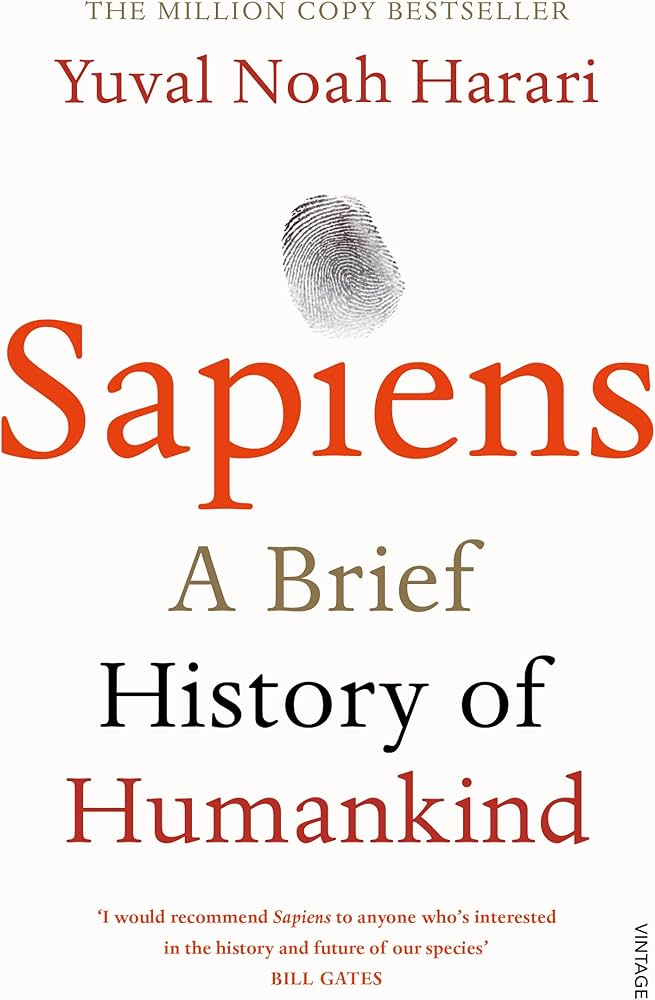
Start with the large picture. Sapiens: A Brief History of Humankind by Yuval Noah Harari asks how millions of strangers came to cooperate under shared stories such as nations, laws and currencies, which is a useful lens on what 'unity' actually takes. Why Nations Fail by Daron Acemoglu and James A. Robinson explores why some countries build lasting institutions while others stall, and is a thoughtful companion for any discussion about governance and nation-building.
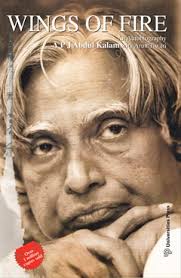
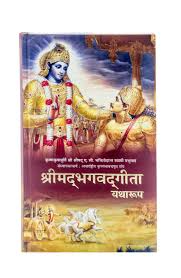
For something closer to home, Wings of Fire, the autobiography of APJ Abdul Kalam, shows what steady, service-minded national work looks like from the inside of India's science and space programmes. And The Bhagavad Gita, in Eknath Easwaran's translation, is a classic on duty, clarity under pressure and acting without being paralysed by doubt, ideas that leaders of every era have returned to.
Novels that make you feel the cost of division
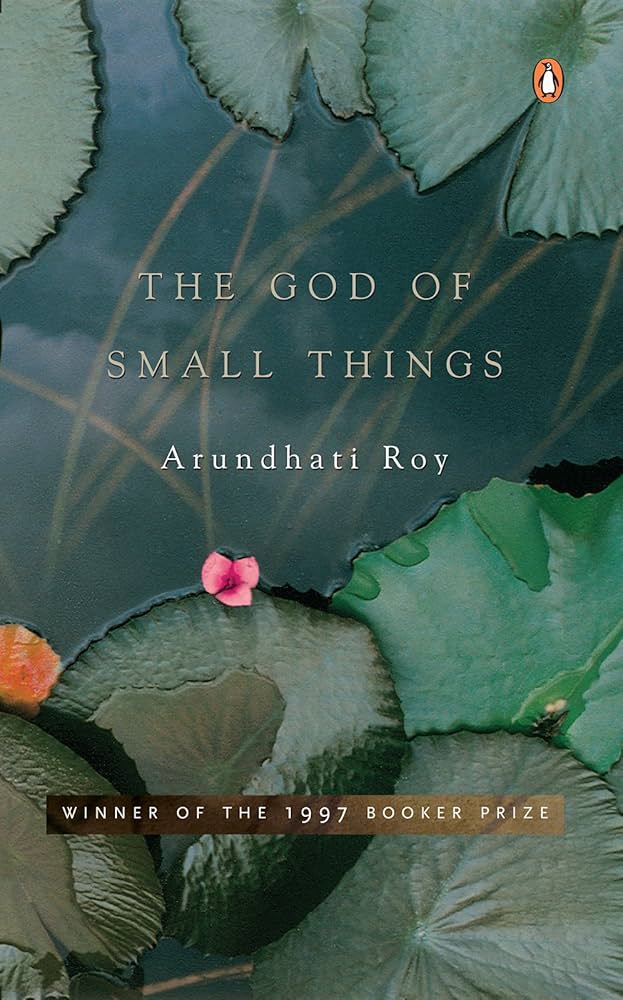
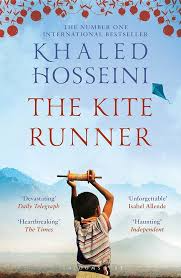
Stories often teach what policy papers cannot. The God of Small Things by Arundhati Roy is a luminous novel about family, caste and the small boundaries that shape lives, while The Kite Runner by Khaled Hosseini follows two boys, a friendship and a betrayal set against the turmoil of a divided society. For something lighter that still pokes at regional and cultural divides, 2 States by Chetan Bhagat is a popular love story about two families from different parts of India, and a good pick for younger readers.
Leadership and resolve: lessons from the Patel playbook
A leader who unites people usually has a few habits in common: discipline, humility and the ability to keep going when the work is slow. The Leadership Engine by Noel Tichy looks at how winning organisations build leaders at every level. Ego Is the Enemy by Ryan Holiday argues that humility is a practical advantage, not a soft skill. The Art of War by Sun Tzu remains a compact guide to strategy, patience and knowing when to negotiate rather than fight.
On personal resolve, Can't Hurt Me by David Goggins is an intense account of mental toughness, and Atomic Habits by James Clear shows how small daily systems create big results over time. If you want a calmer take on money and decisions, The Psychology of Money by Morgan Housel explains why behaviour matters more than intelligence when it comes to long-term outcomes.
Featured read: The Art of Clarity
A simple way to mark National Unity Day with a book
- Pick one book from the list above and read the first chapter today, before the festive rush of Karwa Chauth, Dhanteras and Diwali begins.
- Read a short biography or essay on Sardar Patel alongside it, and compare at least two sources for the same event.
- Share what you learn with a child, a colleague or a friend, since a day about unity works best when it is a conversation.
- Gift a book to someone from a different background or community than your own, and add a handwritten note. Gift wrapping is available at +₹25 per book.
A nation is built the way a habit is built: by showing up for the same goal, day after day, until it becomes ordinary.
Where to buy these books in India
All of the books above are available at TheBookX. Books start from ₹1, delivery is free across India, and you can pay with Cash on Delivery. If you are buying for a school library, a reading club or an office desk, order a few titles together and add gift wrapping for the ones that will be handed over in person.