Maharishi Valmiki Jayanti marks the birth anniversary of Valmiki, traditionally honoured as the Adi Kavi, the first poet, and the author of the Ramayana. It is observed on Ashwin Purnima, and in 2026 listings place it on Monday, 26 October. The Purnima tithi runs across 25 and 26 October, so some panchangs mention 25 October; check your local calendar for the exact timing.
Whatever the date on your calendar, the day is a good reason to pick up a book. The Ramayana has been retold in many languages and forms across centuries, and Valmiki's Sanskrit epic is where that long tradition begins. This guide explains who Valmiki is, why his poem still matters, and which books can take you deeper, whether you are a first-time reader, a parent, or someone who wants a fresh look at an old story. Books at TheBookX start from ₹1, with free delivery and Cash on Delivery across India.
Quick facts
Who was Valmiki, the Adi Kavi?
Tradition describes Valmiki as a sage who began life as Ratnakar, a man who took to robbery. After meeting the sage Narada, he turned to penance and meditation so deeply that an anthill grew around him, which is why he came to be called Valmiki. The same tradition says the first verse of the Ramayana arose from his sorrow at witnessing the death of a bird, and from that moment poetry in the Sanskrit metre was born. These accounts come from tradition and retelling, so treat them as the stories India has told about its first poet rather than as recorded history.
The Valmiki Ramayana is organised into seven kandas, from the Bala Kanda to the Uttara Kanda, and follows the life of Rama, his exile, the abduction of Sita and the war in Lanka. Its lasting appeal is human: duty against desire, loyalty, loss, and the question of what a good ruler owes his people.
Why the Ramayana still matters to readers today
Every generation reads the epic differently. A teenager may see an adventure, a parent may see a family bound by promises, and a modern reader may ask hard questions about fairness and about the women at the heart of the story. This is why retellings keep finding readers, and why the best way into the Ramayana is to choose a version that suits your age and mood.
Start here: accessible retellings of the Ramayana
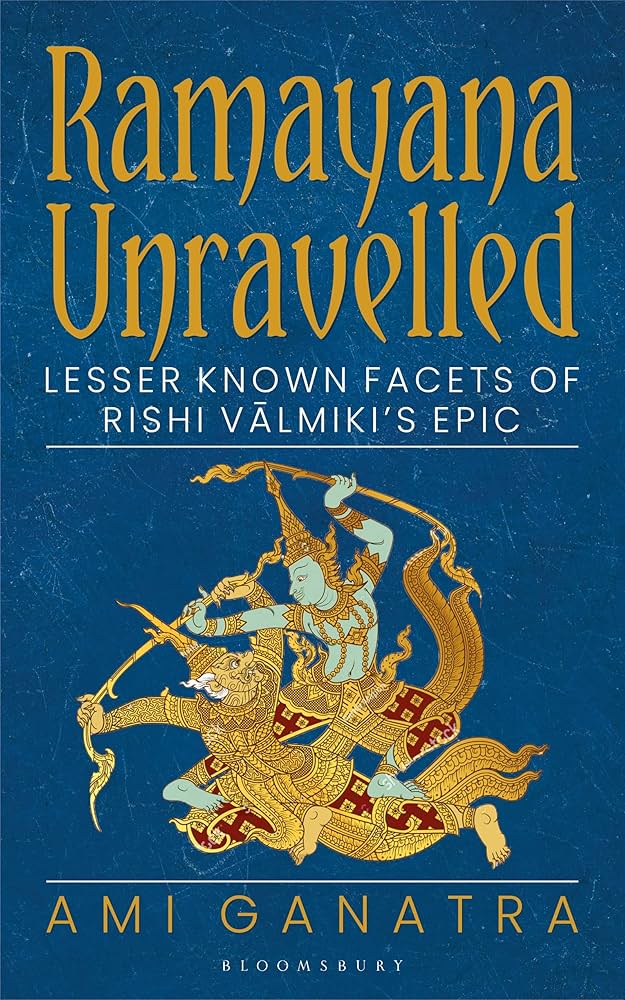
For a clear, story-first introduction, Ramayan Unraveled by Amritanshu Pandey is written for readers who want the plot without heavy scholarship. If you prefer a mythologist's lens, Ram Sita Raavan by Devdutt Pattanaik explores the three central figures and the ideas they stand for. Pattanaik's illustrated Sita: An Illustrated Retelling of the Ramayana follows the epic through its heroine and works well for readers of every age.
If you like fast, novel-style fiction, Sita: Warrior of Mithila by Amish Tripathi reimagines Sita as a strong, capable leader. Fans of his writing may also enjoy The Shiva Trilogy, which carries the same mix of myth and adventure into a different story world.
Beyond the Ramayana: the wider Indian epic tradition
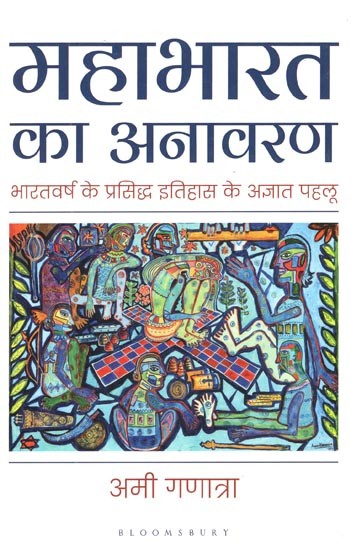
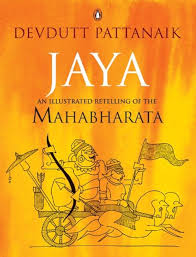
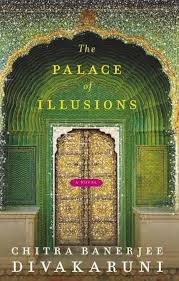
The Mahabharata offers a darker, more tangled mirror to the Ramayana. Mahabharat Unraveled by Amritanshu Pandey gives a readable overview, while Jaya by Devdutt Pattanaik adds illustrations and context. For a fresh voice, The Palace of Illusions by Chitra Banerjee Divakaruni retells the Mahabharata through Draupadi.
The Gita sits inside the Mahabharata and speaks to everyday dilemmas. The Bhagavad Gita in Eknath Easwaran's edition is a popular, readable translation, and The Gita for Children is a gentle way to share its ideas with younger readers.
A poem becomes a tradition when each generation is willing to read it again in its own voice.
Books on purpose, clarity and a well-lived life
The epics keep returning to one question: how should a person act when duty and desire pull in different directions? That question is as relevant to a Monday morning as to an ancient forest. The Art of Clarity by Murthy Thevar is a practical guide to cutting through confusion and deciding without overthinking, a modern companion to the old idea of acting with a clear mind. For a spiritual classic, Autobiography of a Yogi by Paramahansa Yogananda is a long-loved read, and Wings of Fire by A.P.J. Abdul Kalam shows how discipline and faith can shape a life of service.
If you want a lighter story that still carries a lesson, The Alchemist by Paulo Coelho is a short, easy novel about following your purpose, and Malgudi Days by R.K. Narayan offers gentle, very Indian short stories you can read in one sitting. To build the habits that make reading and reflection stick, Atomic Habits by James Clear is a reliable choice.
A simple Valmiki Jayanti reading plan
- Pick one retelling that matches your mood: story-led, mythology-led, or illustrated.
- Read one kanda or a few chapters aloud with family on the day, as many households do with the epic.
- Pair the epic with one reflective book on purpose or decision-making, so the ideas stay with you.
- Share a children's edition with a younger reader and ask them which character they would want to meet.
- Set a small target, such as 15 pages a day, and finish your book by Diwali.
Shop smart at TheBookX
Valmiki gave India a poem that has outlived empires and languages. You do not need to read all seven kandas to honour that; one good retelling, one quiet hour and one conversation with someone you love is a fine way to begin.