The International Day for the Eradication of Poverty is observed every year on 17 October, which is this Saturday. The United Nations traces the day to 17 October 1987, when more than 100,000 people gathered at the Trocadéro in Paris, the same place where the Universal Declaration of Human Rights was signed in 1948, to honour the victims of extreme poverty, violence and hunger. The UN's 2026 to 2028 theme is "United for Peace and Human Rights", and the focus for 2026 is "Safe Homes for All".
For most of us, poverty is an abstract number in a report. Books are one of the few tools that turn that number back into a person, a street, a home. This reading list brings together economics, memoir, fiction and personal-finance titles that help you understand how poverty works, why some nations stay poor, and what dignity, work and hope look like in practice. Every title is available at TheBookX, with books from ₹1, free delivery and Cash on Delivery across India.
Quick facts for 17 October 2026
Start with the big picture: why some nations stay poor
Why Nations Fail by Daron Acemoglu and James A. Robinson argues that the gap between rich and poor countries comes down to institutions: whether they let ordinary people invest, innovate and keep what they earn, or let a small elite extract it. It is a long read, but it changes how you read the news. Pair it with Factfulness by Hans Rosling, which uses data to show how much the world has improved and why our instincts about poverty are often outdated. Together they give you both the structural argument and the reality check.
Stories that put a human face on hardship
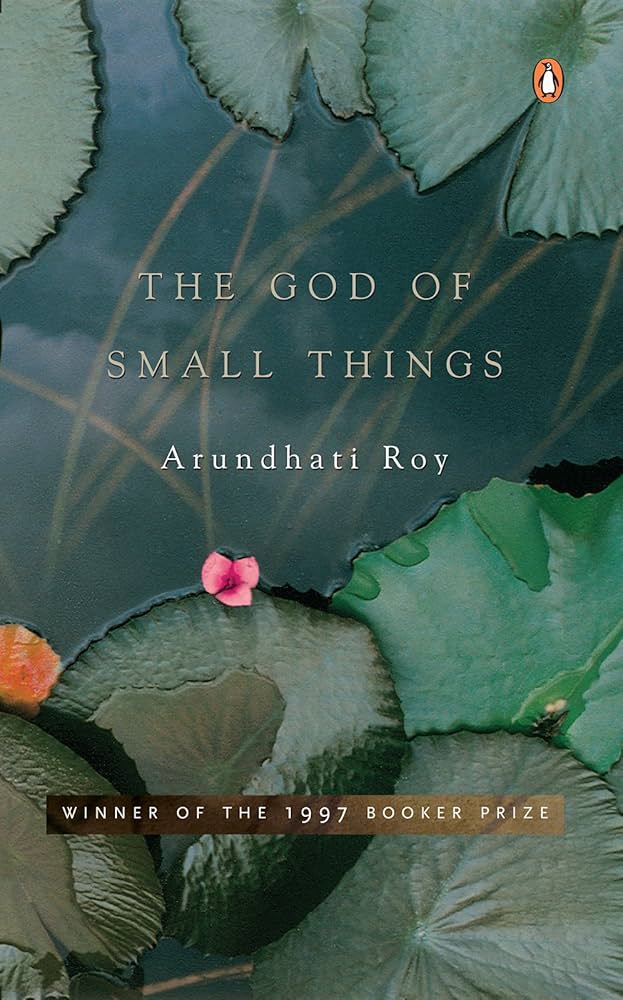
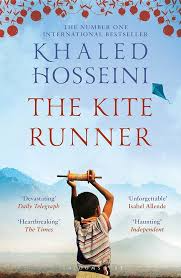
Fiction often explains deprivation better than statistics. The God of Small Things by Arundhati Roy, set in Kerala, shows how caste and class decide who is allowed to love, to belong and to be safe. The Kite Runner by Khaled Hosseini follows two boys from different social worlds in Kabul and what displacement does to a family. For gentler, deeply Indian everyday life, R.K. Narayan's Malgudi Days is full of small-town characters who are often one bad season away from trouble, written with warmth rather than pity.
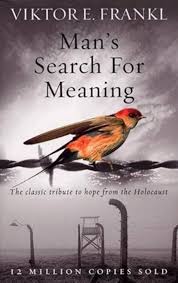
Viktor Frankl's Man's Search for Meaning is not about poverty as such, but about what remains when nearly everything is taken away. Many readers find it the most useful book to read alongside any conversation about hardship and dignity.
Poverty is not only about money. It is also about voice, safety, a roof overhead and the chance to make a plan for next year.
This year's focus: why a safe home matters
The 2026 focus, Safe Homes for All, is a reminder that housing is the base on which health, schooling and work are built. A stable home means a child can study in the evening, a parent can hold a steady job and a family can save even a little. If you want to act on the theme, look for local organisations that build or repair homes for low-income families, and consider donating books to a nearby community library or school, where they can be shared by many readers.
Money habits: how ordinary people build security
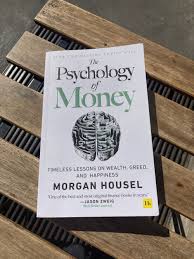
Personal finance will not solve structural poverty, but it helps individuals and families protect themselves. The Psychology of Money by Morgan Housel explains that behaviour matters more than intelligence when it comes to money. Rich Dad Poor Dad by Robert Kiyosaki is a popular introduction to assets, liabilities and financial education, and The Richest Man in Babylon packs saving and investing principles into short parables. Think and Grow Rich by Napoleon Hill is a classic on mindset and persistence.
Behind every financial plan is a decision that has to be made calmly and repeated daily. Atomic Habits by James Clear shows how small habits, such as saving a fixed amount each month, compound over years. The Art of Clarity by Murthy Thevar helps you cut through noise and see the real decision in front of you, which is often the first step before spending, saving or starting something of your own.
Work, ambition and getting out
Wings of Fire, the autobiography of A.P.J. Abdul Kalam, is the story of a boy from Rameswaram who rose through education and hard work to lead India's space and missile programmes. It remains one of the most inspiring books for students from modest backgrounds. Shoe Dog by Phil Knight, the founder of Nike, is a candid account of building a business from almost nothing, with all its debts, doubts and near failures. For a wider view of human history and how societies organise wealth, try Sapiens by Yuval Noah Harari.
Quick reading list by mood
- To understand the economics: Why Nations Fail and Factfulness.
- To feel the human story: The God of Small Things, The Kite Runner and Malgudi Days.
- To find meaning in hardship: Man's Search for Meaning and Wings of Fire.
- To build financial security: The Psychology of Money, The Richest Man in Babylon and Atomic Habits.
- To start something yourself: Shoe Dog and The Art of Clarity.
How to turn reading into action
- Pick one book from the list and finish it before the end of the month.
- Pass your copy on to a friend, a younger cousin or a school library once you are done.
- Support a local organisation working on housing, food or education.
- Start a small monthly saving habit, even ₹100, and track it.