Vigilance Awareness Week 2026 runs from 26 October to 1 November, and this year's theme set by the Central Vigilance Commission (CVC) is "Probity for Prosperity". The week is observed every year around 31 October, the birth anniversary of Sardar Vallabhbhai Patel, and the CVC's circular for 2026 asks organisations across the country to use it to promote integrity, transparency and accountability. Most of that work happens through pledges, talks and awareness drives. A quieter, longer-lasting way to take part is to read: honesty is easier to practise when you have thought hard about why it is difficult.
This guide pairs the week's theme with books from the TheBookX catalogue: stories of conscience, studies of power and institutions, and practical reads on character. Nothing here is a lecture. These are books that make you sit with a hard choice, which is where integrity is actually decided.
What "probity for prosperity" asks of ordinary readers
Probity simply means strong moral principles, honesty and decency in how you act, especially with money and authority. The theme links it to prosperity on purpose: families, firms and nations tend to do better where rules apply to everyone and promises hold. You do not need a public office to act on that. It shows up in how a student handles an exam, how a manager reports numbers, how a shopkeeper gives change and how a citizen deals with a small favour that quietly bends a rule.
A good reading list for the week therefore covers three levels: the individual conscience, the people in charge, and the systems that either reward or punish honesty.
Stories of conscience: fiction that tests your moral compass
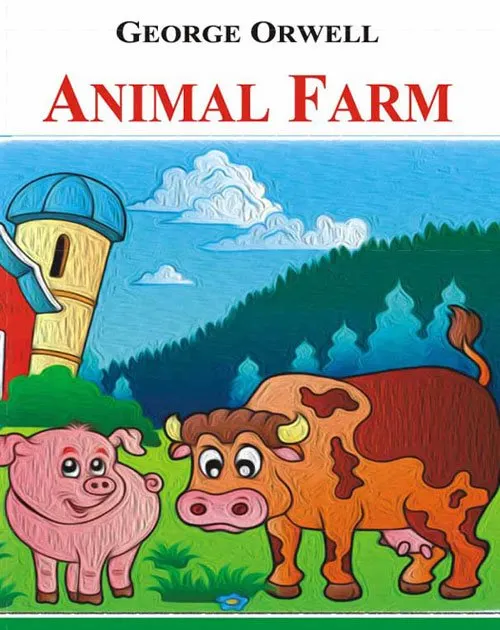
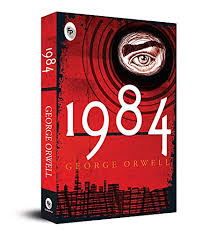
Start with Animal Farm, George Orwell's short fable about a revolution that slowly rewrites its own rules. It is under 150 pages and still the clearest picture of how power drifts away from the promises made to win it. Its darker companion, 1984, shows what happens when the truth itself becomes negotiable. Read together they explain why transparency is not a bureaucratic nicety.
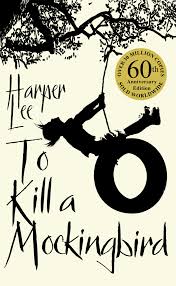
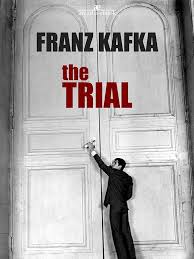
For a more human scale, To Kill a Mockingbird follows lawyer Atticus Finch as he does the right thing in a town that does not want it done, and Dostoevsky's Crime and Punishment follows a man whose conscience will not let him enjoy a wrong he has argued himself into. Kafka's The Trial completes the set from the other side, showing what it feels like to be caught in a system with no clear rules and no one answerable.
A simple way to read for the week
Power, institutions and why honesty pays
If you prefer facts to fables, Why Nations Fail by Daron Acemoglu and James Robinson argues that countries prosper when their institutions are open and accountable, and stagnate when a narrow elite controls them. Acemoglu was one of the three economists awarded the 2024 Nobel Memorial Prize in Economic Sciences, so the argument arrives with weight behind it. Factfulness by Hans Rosling is a good companion: it trains you to check the data before reacting, which is a quiet form of honesty with yourself.
Closer to home, Nani A. Palkhivala: A Life profiles the celebrated jurist and constitutional lawyer, a useful reminder that public integrity in India has a long and admirable tradition. On the other side of the ledger, Bad Leadership looks at how leaders and organisations go wrong, which makes it a sharp read for anyone who manages people.
Character and everyday integrity
Public probity starts with private habits. Man's Search for Meaning by Viktor Frankl is the best-known account of keeping one's values intact under the harshest conditions imaginable. Marcus Aurelius's Meditations and The Daily Stoic offer a daily practice of asking whether an action fits the person you want to be, and Ryan Holiday's Ego Is the Enemy shows how pride and shortcuts quietly eat away at good work.
The Bhagavad Gita is the Indian text on duty without attachment to reward, and it fits the week naturally. For a modern example of a life built on service and simple living, Wings of Fire tells A. P. J. Abdul Kalam's story in his own voice. If you are building the habit of doing the right thing consistently, Atomic Habits by James Clear explains how small, repeated choices become character.
And if you want a short, practical book on thinking and speaking plainly, which is half of honest communication, try The Art of Clarity by Murthy Thevar. Saying exactly what you mean, without spin, is a skill, and it is one of the cheapest forms of integrity there is.
A five-day reading plan to end the week
- Tuesday to Wednesday: read Animal Farm, which is short enough to finish in two evenings.
- Thursday: choose ten pages of Meditations or The Daily Stoic and write down one rule you want to follow.
- Friday: read one chapter of Why Nations Fail or Factfulness and discuss it with a colleague or friend.
- Saturday, 31 October: Sardar Patel's birth anniversary, a good day to read about public duty, whether from the Gita or a biography.
- Sunday, 1 November: the last day of the week. Pick one honest habit to keep and note it down.
Gifting the idea: books for students, colleagues and teams
Awareness weeks often end with a certificate. A book lasts longer. A short classic makes a thoughtful gift for a student preparing for civil services or management exams, and a leadership or ethics title suits a team lead or new manager. Because Diwali is only days away, with Dhanteras on 6 November, this is also a good moment to pick up gifts early. Gift wrapping is available for +₹25.
Order from TheBookX
Frequently asked questions
The answers to the most common questions about the week and these books are below, and the same questions are marked up for search engines.