Every year on 24 October, the world marks United Nations Day, the anniversary of the UN Charter coming into force in 1945. In 2026 it is the 81st anniversary, and the date lands on a Saturday, which makes it an easy excuse to pick up a book instead of scrolling headlines. The UN's own 2026 calendar shows the 81st session of the General Assembly opening on 8 September and the COP31 climate conference scheduled for 9 to 20 November in Antalya, so global cooperation is very much in the news.
UN Day at a glance
Why read about the UN and global affairs at all
Most of us meet the United Nations only through short news clips. Books give the slower, human version: the child who refused to be silenced, the economist who shows that the world is improving faster than we think, the novelist who makes a faraway war feel personal. Reading across borders is the most affordable form of diplomacy there is, and it is a habit that pays off in exams, interviews and everyday conversations.
Peace and human rights: voices that changed the conversation
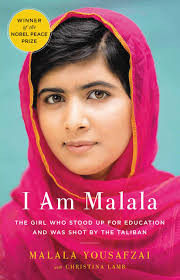
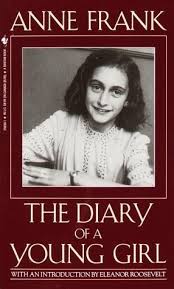
I Am Malala is the memoir of Malala Yousafzai, who campaigned for girls' education in Pakistan and later became the youngest Nobel Peace Prize laureate. It is a natural fit for UN Day, since education is a core UN goal. Pair it with The Diary of a Young Girl, Anne Frank's wartime diary, which remains one of the clearest windows into what conflict does to ordinary families.
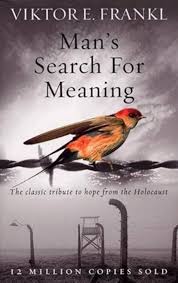
Man's Search for Meaning by Viktor Frankl asks how people keep their dignity in the worst circumstances, while As Long as the Lemon Trees Grow follows a young medical student in war-torn Syria and puts the refugee experience on a personal scale.
Understanding the world: economics, data and politics
Factfulness by Hans Rosling is the best antidote to doom-scrolling. It teaches you to check instinctive assumptions about poverty, health and population against real data. Why Nations Fail by Daron Acemoglu and James Robinson asks why some countries prosper while others stagnate; Acemoglu and Robinson shared the 2024 Nobel Memorial Prize in Economic Sciences with Simon Johnson for related work.
The World Is Flat by Thomas Friedman explains globalisation and its effect on jobs, a useful background read for any student of international affairs. For a leader's-eye view of diplomacy and decision making, A Promised Land by Barack Obama covers the early part of his presidency.
Shop smart
Novels that cross borders
A Thousand Splendid Suns by Khaled Hosseini follows two Afghan women across decades of conflict and is as much about friendship as politics. 1984 and Animal Farm by George Orwell remain the classic warnings about power and propaganda, and they read differently every time the news cycle shifts.
Closer to home: a vision for India and clear thinking
Wings of Fire by A.P.J. Abdul Kalam shows how a boy from Rameswaram became a scientist and President, and why science and peace were never opposites for him. Global conversations also need clear speakers, which is why The Art of Clarity by Murthy Thevar belongs on this list: it is a practical guide to thinking and speaking simply, a skill every debate, group discussion and diplomat depends on.
A simple UN Day reading plan
- Start with one short, human story: I Am Malala or The Diary of a Young Girl.
- Add one data-driven book: Factfulness, to reset how you read global news.
- Pick one novel from another country: A Thousand Splendid Suns or As Long as the Lemon Trees Grow.
- Finish with a thinking-skills book such as The Art of Clarity, so you can explain what you learned in your own words.
Reading is the cheapest way to cross a border without a passport.
Frequently overlooked: read to discuss, not just to know
Share one idea from each book with a friend or in a study group. Students preparing for civil services, MUN debates or college interviews will find that a few well-read examples make arguments more convincing than a page of memorised facts.