On 22 September 2026, Dutton publishes Hollywood, Ending - John Green's first novel since Turtles All the Way Down in 2017, and the first he has written for adult readers rather than teenagers. For a writer whose last nine years were spent on non-fiction, a tuberculosis campaign and a YouTube channel, that is a long gap to close in a single week.
Green announced the book on 31 March 2026 and has been candid that he started it soon after Turtles came out, then could not finish it for what he described as personal reasons. Nine years later, it exists. If you grew up on The Fault in Our Stars - and in India an enormous number of readers did, it was for many people the first book they bought with their own money - this is the September release worth clearing a weekend for.
What Hollywood, Ending Is Actually About
The novel follows Kai, twenty, and Juniper, twenty-two: two young actors cast in a buzzy Andy Warhol biopic called Andy Warhol Never Gets Old. The film takes off. So do their lives, in ways that are thrilling and then frightening, and the book is largely about what a public life costs in private.
Green has described it as a book about navigating love and loss while participating in what he calls the strange, complicated exchanges of attention and trauma of the social internet. That sentence is the most useful thing anyone has said about the novel so far, because it tells you the subject is not fame. It is attention - who gives it, who harvests it, and what happens to a person who is metabolised by it. Warhol is not an incidental choice.
Hollywood, Ending: the facts
Why the Jump to Adult Fiction Matters
Green's YA novels were never really written down to teenagers - that was always the joke, and the reason adults read them without embarrassment. What changes with an adult novel is not vocabulary or subject matter. It is the permission to let a story end badly, or ambiguously, without an editor worrying about what a fifteen-year-old will take from it.
That is a real shift for a writer whose signature move was giving young characters an articulate, slightly formal voice and then letting the world be unfair to them anyway. Kai and Juniper are twenty and twenty-two: old enough to consent to the machinery that will eat them, which is a much harder moral position than being sixteen and having it happen to you.
Fame is a story other people tell about you, using your face. The only variable is how long you can keep reading it without believing it.
Fifteen Books to Read While You Wait
Three weeks is exactly enough time to read two or three books. Sorted by which part of Hollywood, Ending you are most curious about.
If you want the private cost of a public life
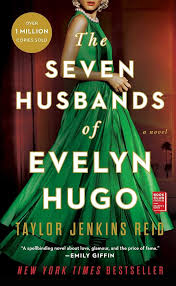
- The Seven Husbands of Evelyn Hugo by Taylor Jenkins Reid - the definitive modern novel about a woman who built a public self and had to live behind it. Still the most-recommended book on this site, and the closest thematic cousin to Green's premise.
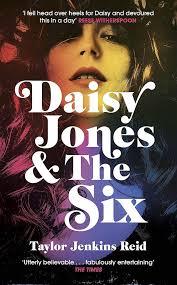
- Daisy Jones & The Six by Taylor Jenkins Reid - an oral history of a band that broke up at its peak. The interview format does something clever: you never get the truth, only competing versions of it, which is how fame actually works.
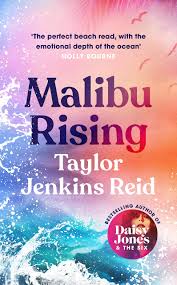
- Malibu Rising by Taylor Jenkins Reid - four famous siblings, one party, one night. Read it for the portrait of children raised inside someone else's celebrity.
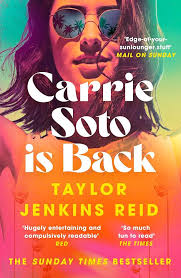
- Carrie Soto Is Back by Taylor Jenkins Reid - a tennis champion returning at thirty-seven to defend a record. The sharpest of the four on ambition that never switches off.
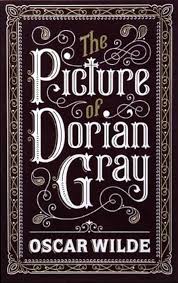
- The Picture of Dorian Gray by Oscar Wilde - written in 1890 and still the most exact book about the gap between an image and the person maintaining it. If you think the attention economy is new, this will fix that.
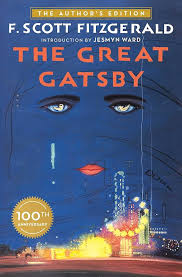
- The Great Gatsby by F. Scott Fitzgerald - self-invention, an audience, and a party that everyone attends and nobody remembers hosting.
If you want love and loss written young and precisely
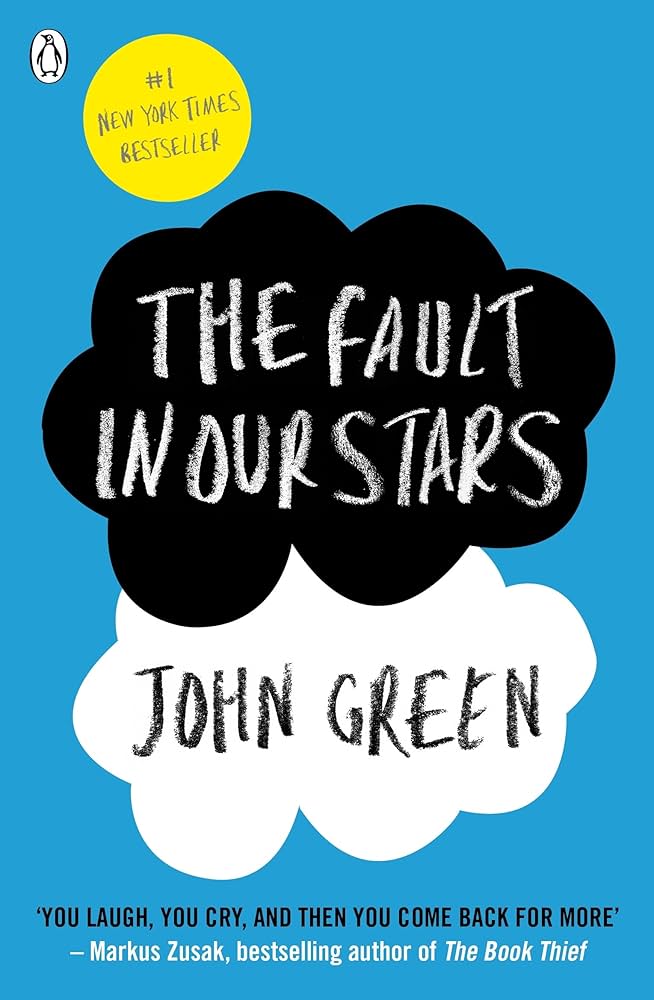
- The Fault in Our Stars by John Green - the obvious reread, and worth doing deliberately before the new one so you can see what has changed in the voice.
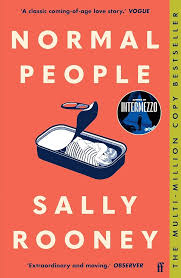
- Normal People by Sally Rooney - two people who keep failing to say the one true sentence. The best modern novel about miscommunication as a form of love.
- Conversations with Friends by Sally Rooney - younger, funnier and more uncertain than Normal People, and better on the specific vanity of being twenty-one and clever.
- The Song of Achilles by Madeline Miller - glory, and the person standing next to it. A book about what fame does to the people who love the famous.
- A Little Life by Hanya Yanagihara - four friends, one of whom is a successful actor. Long, and heavy enough that it deserves a warning: it deals with abuse and self-harm in detail. Read it when you have the room for it.
- It Ends with Us by Colleen Hoover - the book that taught a generation of readers that a love story is allowed to be a hard one.
If you want to understand the attention economy itself
- Dopamine Nation by Dr Anna Lembke - a Stanford psychiatrist on why abundance makes us miserable. The clinical companion to everything Green is describing about the social internet.
- Deep Work by Cal Newport - the practical counterargument: attention is a finite resource and you can choose where it goes.
- Show Your Work by Austin Kleon - on building an audience without letting the audience build you. Short, and unusually honest about the trade.
- The Art of Clarity by Murthy Thevar - on thinking and speaking precisely in an environment engineered for noise. The most useful book on this list if what you actually want is to be less scattered by your phone.
How to Read a Nine-Years-Later Novel
There is a specific trap with long-awaited books, and it is worth naming before 22 September. You will not be reading the novel. You will be reading the novel against the one you have spent nine years imagining, and the gap between them will feel like a flaw in the book rather than a flaw in the comparison.
- Reread one earlier book first, not all of them. One is calibration. Four is nostalgia, and nostalgia is a bad lens for a new novel.
- Give it fifty pages before you decide about the voice. A writer who has spent nine years on non-fiction will sound different on page one and usually settles by page fifty.
- Read the first half before you read a single review. Nine-year gaps produce loud takes, and it is remarkably hard to un-read someone else's verdict.
- Notice that it is an adult novel and let it be one. If it refuses to resolve, that is the point of the category change, not a failure of nerve.
- Wait a week before deciding what you think. The books that reward the longest waits are usually the ones that need a few days to settle.
A cheaper way to build the pile
The Rest of September Is Unusually Good
It is a dense month even by publishing standards. Chloe Benjamin's Under Story, a novel about a mycologist who takes a dishwashing job at an Antarctic research station, arrives in the same window. The Booker Prize 2026 shortlist lands on 22 September at the Southbank Centre, cut from the thirteen-book longlist announced on 28 July, with the winner named on 9 November at Old Billingsgate. And International Literacy Day falls on 8 September, marking sixty years of the observance.
If you want one more novel alongside the Green, three from the catalogue reward the same kind of attention: Klara and the Sun by Kazuo Ishiguro, on being watched and being loved by something that observes you closely; Lessons in Chemistry by Bonnie Garmus, on a woman who becomes a public figure entirely against her will; and The Midnight Library by Matt Haig, on the lives you did not pick. For something lighter between the heavy ones, Beach Read by Emily Henry does the job in two sittings. And if the love-and-loss thread is what draws you to Green at all, When Breath Becomes Air by Paul Kalanithi is the non-fiction book that does it best.
One closing thought. The most interesting thing about Hollywood, Ending may be that Green could not finish it for years and said so publicly, in an era where authors are expected to perform seamless productivity. A novel about the cost of being watched, delayed by the cost of being watched, is a coincidence worth holding on to while you read it.