Hindi Diwas falls on Monday, 14 September 2026. In most offices and schools it will pass as a poster, a poetry recitation and a short speech, which is a shame, because the date marks one of the more genuinely interesting decisions the Constituent Assembly ever took — and it was not the decision most people think it was.
The timing is good for a bookshop to say something useful. On 25 August 2026, the Publications Division of the Ministry of Information and Broadcasting picked up seven awards at the Federation of Indian Publishers' Awards for Excellence in Book Production 2026 — four second prizes and three third prizes, spread deliberately across Hindi, English and Urdu titles, journals and children's books. That spread is the actual story of Indian publishing in 2026: not one language winning, but several being produced to a standard worth judging side by side. This piece covers what Hindi Diwas commemorates, the correction most Hindi Diwas reading lists need, and a shelf of twenty books for reading India in something closer to its own voice.
Hindi Diwas 2026 — the essentials
The Thing Almost Every Hindi Diwas Post Gets Wrong
Hindi is not India's national language. India does not have one. What the Constituent Assembly settled on 14 September 1949, after some of the most bad-tempered debate of the entire drafting process, was that Hindi in Devanagari would be an official language of the Union, with English continuing alongside it for official purposes. The Eighth Schedule now recognises 22 scheduled languages, and several states run their administration in a language other than Hindi entirely.
This is not pedantry. It changes what the day is for. If Hindi were the national language, Hindi Diwas would be a loyalty test. Because it is not, the day works better as what it was originally intended to be — an annual argument for using an Indian language for serious work, rather than treating English as the only register in which grown-up thought happens. Read that way, Hindi Diwas belongs as much to a Malayalam reader in Kochi as to a Hindi reader in Patna.
Indian-Language Writing Is Having a Better Decade Than Its Sales Figures Suggest
The prize record for Indian-language literature over the last few years has been unusually strong, and it has not been confined to Hindi.
- The 60th Jnanpith Award, India's highest literary honour, went to the Tamil poet and lyricist R. Vairamuthu — announced in March 2026 for the year 2025. He is only the third Tamil writer to receive it, after Akilan in 1975 and Jayakanthan in 2002, and the first recognised primarily as a poet.
- The 59th Jnanpith went to the Hindi writer Vinod Kumar Shukla, whose spare, strange prose is the best rebuttal available to anyone who thinks contemporary Hindi fiction is provincial.
- Translation has stopped being a niche. Indian-language novels in English translation now routinely outsell their originals, and international recognition for translated fiction — the International Booker, the Nobel to Han Kang — has made publishers far braver about commissioning them.
- Production quality has caught up. The FIP awards on 25 August 2026 judged Hindi, English and Urdu books in the same room, on the same criteria. Twenty years ago that comparison would have been embarrassing for one side.
A language does not survive because it is celebrated once a year. It survives because somebody keeps buying books in it, and keeps handing them to somebody younger.
20 Books for Reading India in Its Own Languages
The honest position for an Indian online bookstore is this: most of our catalogue is in English, most Indian readers read Indian stories in English, and pretending otherwise helps nobody. So this shelf is built in three layers — books in the original Hindi, books translated into English from an Indian language, and English-language Indian writing that carries the same texture. Start wherever you actually are.
Read one in the original
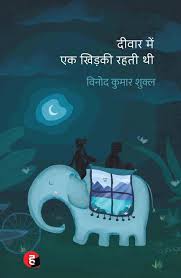
If you can read Devanagari at all — and a great many people who claim they cannot, can, slowly — the single most appropriate thing to do on 14 September is finish one short book in Hindi. Diwar Mein Ek Khidki Rahti Thi is the right size for it: a modern Hindi novel of roughly 180 pages, unhurried, domestic, and far stranger than its quiet surface suggests. Reading in a language you last used in Class 10 is slow for about forty pages and then stops being slow. That is the whole experience, and it is worth having once a year.
Translated from an Indian language
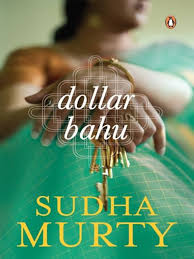
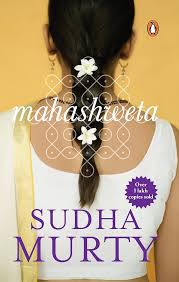
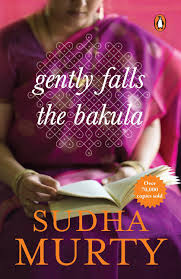
Sudha Murty is the most useful entry point in print, because she writes in Kannada and English both and her translated work loses almost nothing. Dollar Bahu is the sharpest of them — a novel about an Indian family recalibrating itself around a son's dollar salary, which has aged into something closer to social history. Mahashweta is the one readers finish in a sitting and then argue about, and Gently Falls the Bakula is the quietest and, for a certain kind of reader, the most devastating.
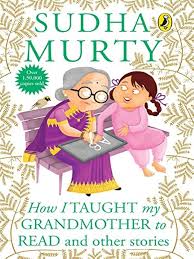
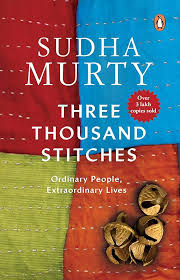
Her non-fiction belongs on a Hindi Diwas shelf for a different reason. How I Taught My Grandmother to Read is a collection of short true stories built around exactly the thing this day is nominally about — an older woman learning Kannada script late in life so she can read a serialised novel herself. Three Thousand Stitches is the tougher companion volume.
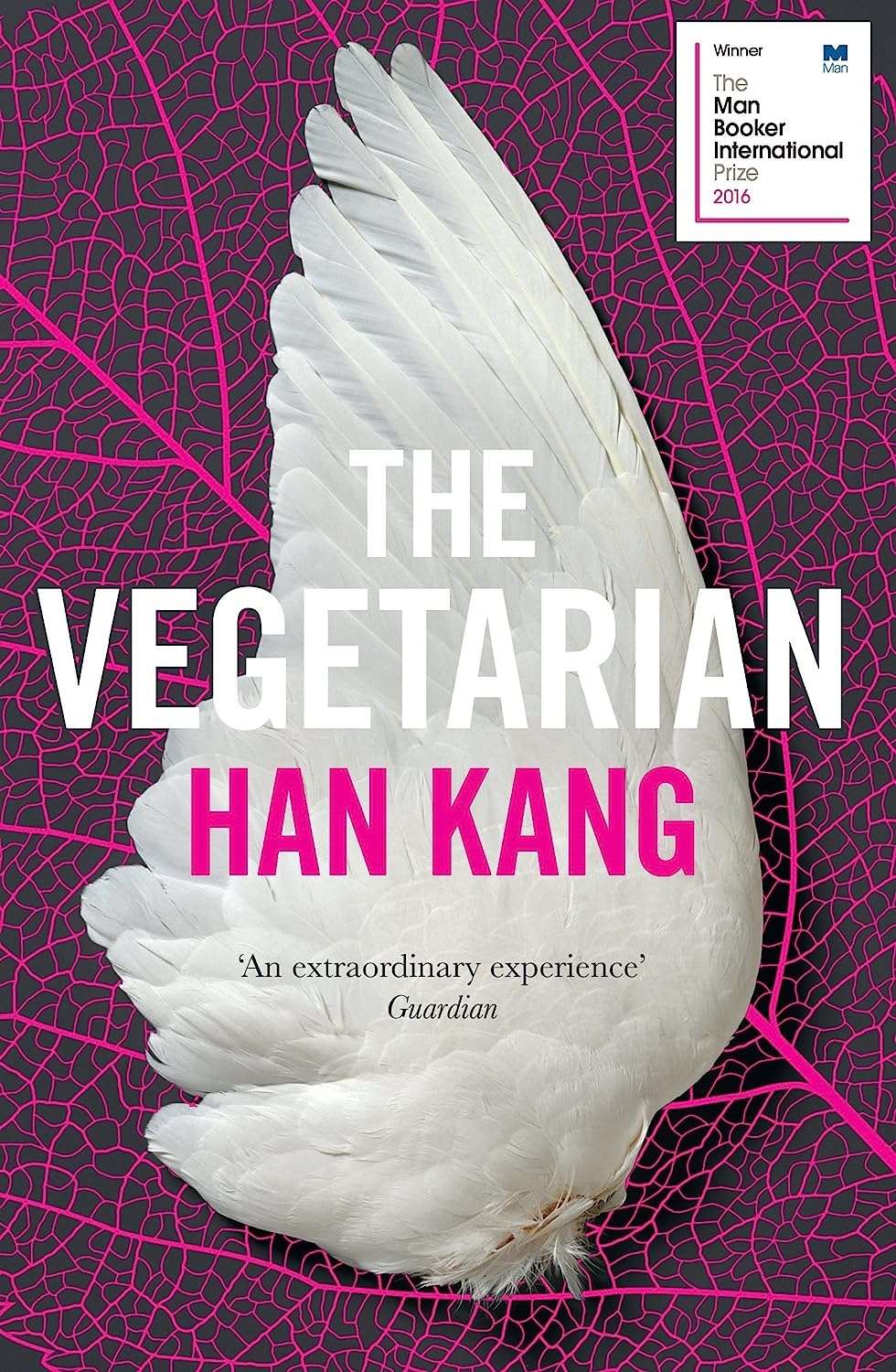
For proof that translation is not a consolation prize, read The Vegetarian — Han Kang's Korean novel in Deborah Smith's English, which won the International Booker and did more for the global standing of translated fiction than a decade of arts funding. Indian publishers noticed. So should Indian readers.
Indian writing in English that earns its place
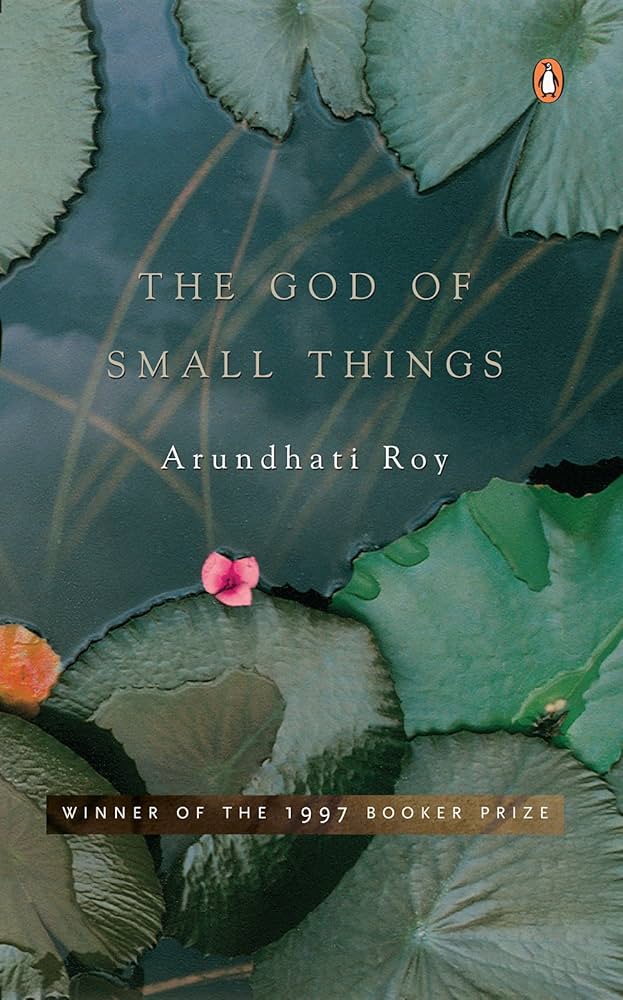
The God of Small Things is Arundhati Roy's Booker-winning novel of Ayemenem, and it is the book on this list most worth reading slowly. Malgudi Days is R. K. Narayan in short, complete pieces — the best possible option for a reader who cannot yet commit to a novel — and The Guide, which won him the Sahitya Akademi Award, is where to go the moment Malgudi lands.
For range: Sacred Games is the great Bombay novel and unapologetically bilingual on the page, which is itself an argument about how Indians actually speak. An Equal Music is Vikram Seth writing about Western classical music with no India in it at all — included deliberately, because an Indian writer is not obliged to explain India. And Ruskin Bond remains the most reliable gateway drug in Indian publishing: The Room on the Roof, which he wrote at seventeen, and A Flight of Pigeons, his novella of 1857 Shahjahanpur.
Myth, memoir and the school shelf
The Palace of Illusions retells the Mahabharata from Draupadi's side and is the book most likely to convert a reluctant teenager into an argumentative one. Jaya is Devdutt Pattanaik's illustrated retelling and works better as a family reference than as a straight read. Five Point Someone is on this list for one reason: it converted more non-readers in India than any prize list ever has, and a language-pride post that sneers at popular fiction has misunderstood the problem.
Wings of Fire is the standing counter-argument to the idea that English is a prerequisite for an Indian life of the mind — the autobiography of a boy from Rameswaram who read his way out in Tamil first. For anyone genuinely working on their English rather than defending it, Word Power Made Easy is still the most efficient book in print, and there is no contradiction in owning it alongside everything above.
One more, on the meta-problem. Most people who say they want to read more in an Indian language are not blocked by vocabulary; they are blocked by attention that has been trained to fragment. The Art of Clarity by Murthy Thevar is written directly at that failure, in short chapters, and it makes a reasonable pairing with whichever book above you actually intend to finish.
Ordering from TheBookX
Four Things Worth Doing on 14 September
- Finish one short book in an Indian language. Not start — finish. Pick something under 200 pages so the win is available inside a single Monday.
- Buy one translated novel from a language that is not yours. A Hindi reader buying Kannada in translation, or a Tamil reader buying Bengali, does more for Indian-language publishing than any amount of posting.
- Ask an older relative what they read in their first language. This is how most reading lists in Indian families are actually inherited, and it stops working the moment nobody asks.
- Give a child a book in the language spoken at home. Reading habits are set before twelve, and they are set by what is lying around the house rather than by what is on the syllabus.
The Constituent Assembly's compromise in 1949 was messier than either side wanted, and seventy-seven years on it has held up better than most of the clean solutions proposed at the time. India reads in many languages at once, badly and beautifully, and the only version of Hindi Diwas worth observing is the one that ends with a book bought rather than a point made.