On 14 August 2026, Bloomberg CityLab ran a piece on something most Indian readers over thirty already knew and most reading surveys still miss: India's circulating libraries — small, privately run neighbourhood lending shops charging a monthly fee — are doing steady business, and in many cities they are the only functioning reading infrastructure people have. The report profiled a library owner in Mahim, Mumbai, who has spent four decades building an inventory shaped entirely around what his own street wants to read.
The same fortnight, the world's librarians met in Busan to argue about the future of the profession. It is a useful pair of stories. One is a global institution asking what a library is for in the age of AI. The other is a man in Mahim who answered that question decades ago by simply knowing his customers. This piece looks at what the borrowing economy gets right, what a very large set of loan records tells us about how people actually read, and — the part a bookshop should be honest about — where borrowing stops working and owning starts.
The three stories behind this piece
What a Circulating Library Actually Is
A circulating library is a commercial lending business, not a public service. You pay a monthly or per-book fee, take a title home for a fixed period, and return it. The model is old: circulating libraries flourished across Britain and America through the eighteenth and nineteenth centuries, precisely when buying books was expensive enough to be out of reach for most women and most working people. When ownership is costly, access gets sold by the week.
India never fully moved past that condition, which is why the model never fully died here. In Mumbai, Chennai, Kolkata, Pune and dozens of smaller towns, the neighbourhood library survived the arrival of the shopping-mall bookstore, the arrival of e-readers, and the arrival of same-day delivery. It survived because it does three things that none of those three do well.
- It curates for one street, not for a country. A national bestseller list is an average of a billion preferences. A Mahim library's shelf is a record of what the flat upstairs finished last month.
- It makes the marginal book free of risk. At ₹100 a month you will try a writer you have never heard of. At ₹499 a copy, most readers will not.
- It is a place, and places create habits. Walking somewhere weekly to swap a book is a ritual. An app notification is not.
What 17 Million Loans Reveal About How People Read
The most interesting reading research of this month came out of Prague rather than India. Michal Kasparek examined roughly 17 million loans made over three years at Prague's Municipal Library — a dataset large enough that it describes behaviour rather than opinion. Two findings travel well beyond the Czech Republic.
First, women used the library close to three times as much as men. The gap does not exist in early childhood; it opens after age ten, widens to its maximum around thirty-five, then narrows after fifty without ever returning to parity. Whatever happens to boys' reading, it happens in the early teens, and it is not corrected later.
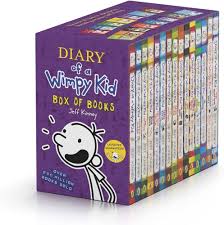
Second, the single most borrowed title across the whole dataset was Jeff Kinney's Diary of a Wimpy Kid Series Set. Restricted to adults, the most borrowed book was Karin Lednicka's The Leaning Church. The prestige list and the borrowing list are different lists, and the borrowing list is the one that tells you where readers actually come from: children's series and popular local fiction, not prizewinners.
Libraries must be redefined — not just as repositories of knowledge, but as reliable public knowledge infrastructures.
That was the consensus reported out of the IFLA congress in Busan, where AI dominated the agenda and IFLA President Leslie Weir told delegates that libraries must "boldly embrace change and serve as agents leading their communities toward a better future". It is a fair ambition. It is also worth noting that the Mahim model already is public knowledge infrastructure — privately owned, unsubsidised, and answerable to its members every single month.
Borrow or Buy? A Practical Rule
A bookshop telling you to buy everything is not advice, it is a pitch. The honest position is that borrowing and owning solve different problems, and most Indian readers would be better off doing both deliberately rather than defaulting to one. Here is the rule we would give a friend.
- Borrow anything you intend to read once. Airport thrillers, most contemporary bestsellers, the book everyone is discussing this month. One pass, no shelf cost.
- Buy anything you will mark up. If a book's value comes from returning to a specific page, a borrowed copy is actively worse than no copy. Non-fiction you plan to apply belongs to you.
- Buy anything a child in the house might pick up unsupervised. Reading habits are set before twelve, and they are set by what is lying around, not by what is on a syllabus. A borrowed book goes back before the habit forms.
- Buy anything you will re-read. Re-reading is where most of a book's real return sits, and it is the one thing a lending model cannot support.
- Buy anything you would want to lend. Every household reading culture in India was built by someone who owned enough books to give them away.
Fifteen Books Worth Owning Rather Than Borrowing
These are not necessarily the best books published this year. They are the ones that fail the borrowing test — the re-reads, the mark-ups and the ones a twelve-year-old should be able to find on a shelf without asking permission.
The Ones You Will Mark Up
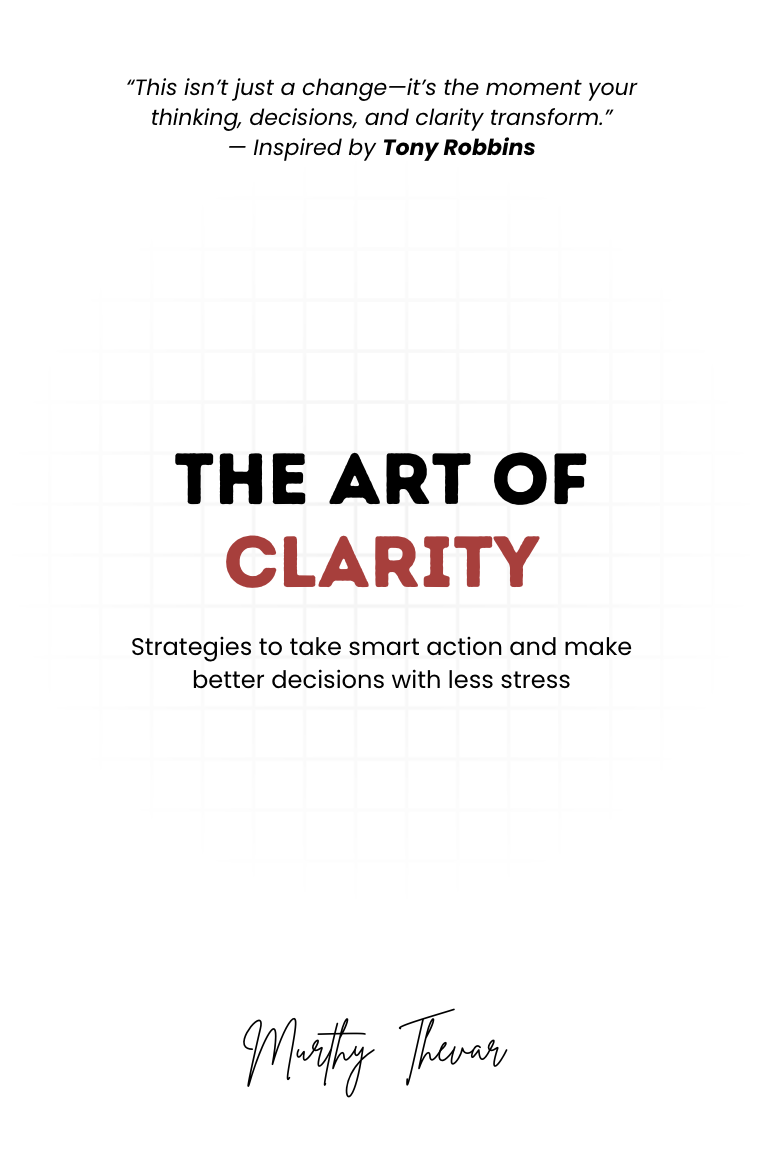
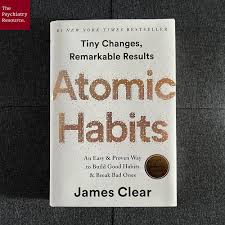
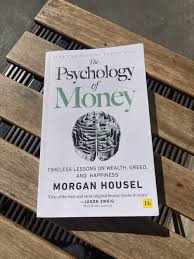
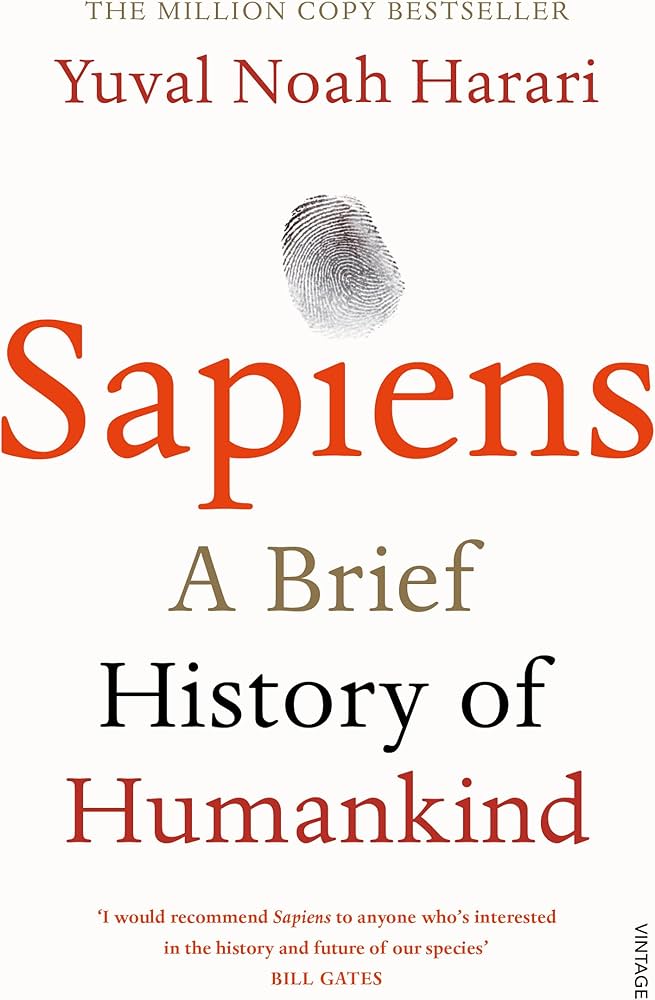
The Art of Clarity by Murthy Thevar is built to be worked through rather than read past — it is about cutting noise from your thinking and your speech, and the exercises only pay off if you can return to them. Alongside it, Atomic Habits is the most re-consulted non-fiction book of the last decade for a reason: nobody changes a habit on a single reading. The Psychology of Money earns its place because its chapters get more useful as your own finances change, and Man's Search for Meaning is short enough to re-read in an evening and heavy enough that you will want to. Sapiens: A Brief History of Humankind completes the set as the book most likely to be argued about across a dinner table, which requires having it to hand.
The Fiction You Will Come Back To
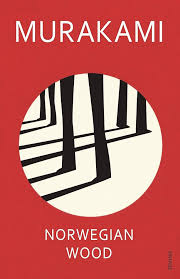
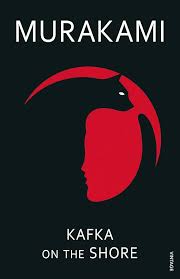
Haruki Murakami is having a loud year — his sixteenth novel drew midnight queues in Japan in July and a ten-publisher bidding war for Korean rights — and the entry points remain Norwegian Wood for the realist Murakami and Kafka on the Shore for the strange one. On the Indian shelf, Malgudi Days by R. K. Narayan is the closest thing we have to a book that works at ten and at forty, and The God of Small Things by Arundhati Roy rewards a second reading more than almost any Indian novel in English. Before the Coffee Gets Cold is the gentle one people re-read when they need it, and The Alchemist is the one that gets given away and therefore needs replacing. If you want the current bestseller instinct honoured too, The Housemaid by Freida McFadden is the title circulating libraries cannot keep on the shelf.
The Ones a Child Should Be Able to Find
The Prague data is blunt about this: children's series carry the whole borrowing system. Diary of a Wimpy Kid Series Set and Harry Potter Series Set (Books 1-7) are the two sets most likely to convert a reluctant reader into a reader, and both are worth owning rather than borrowing because the conversion happens on re-reading. Wings of Fire by A. P. J. Abdul Kalam belongs on the same shelf — it is the book that has probably started more Indian non-fiction habits than any other.
Building a home shelf on a circulating-library budget
Use Your Neighbourhood Library. Then Buy the Ones That Stayed With You
The best reading system we know of is not a purist one. Join the circulating library down the road, because it is cheap, it is curated by someone who knows your street, and it lets you be adventurous at almost no cost. Then, twice a year, buy the four or five books from that year's borrowing that you found yourself thinking about weeks later. That is how a real shelf gets built — not by aspiration, but by evidence.
The librarians in Busan spent a week debating what a library should become. The man in Mahim has been quietly running one for forty years on the theory that a library is whatever the people on your street will walk to. Both are right. The only reading culture that fails is the one where nothing is within reach.