Tomorrow, Thursday 19 November 2026, is World Philosophy Day. For most people the word philosophy conjures up dense textbooks and arguments nobody wins. But at its core, philosophy is something everyone already does: asking what a good life looks like, how to deal with things outside our control, and how to think clearly when the world feels noisy. This guide explains what the day is about and gives you a realistic, beginner-friendly reading list to start with.
Every book below is available on TheBookX, with books from ₹1, free delivery and Cash on Delivery across India, so you can start this week without spending much.
World Philosophy Day 2026 at a glance
What is World Philosophy Day, and why does it exist?
UNESCO created World Philosophy Day to highlight the lasting value of philosophy for human thought, for every culture and for every individual. The idea is simple: in a time of rapid change, the habit of slowing down, asking good questions and examining our assumptions is not a luxury. It is a survival skill for citizens, students and professionals alike.
This year's theme, about how we can coexist in a world facing overlapping crises, makes the case even more clearly. Questions about AI, climate, migration and health are not just technical problems. They are questions about fairness, responsibility and what we owe each other, which is exactly the territory philosophy has always covered.
Why India has always been a philosophy country
Indian readers come to philosophy with a head start. The Upanishads, the Bhagavad Gita, Buddhist and Jain thought, and centuries of debate between schools of logic and metaphysics mean that many of us grew up hearing philosophical ideas at home, often without the label. Concepts like karma, dharma, detachment and the observing self are, at heart, philosophical tools for living. World Philosophy Day is a good excuse to revisit those ideas and put them in conversation with Greek, Roman and modern thinkers.
How to start reading philosophy without getting lost
- Start with practical philosophy, not theory. Books about how to live (the Stoics, the Gita, Adlerian psychology) are easier entry points than abstract metaphysics.
- Read slowly and in small doses. One page of Marcus Aurelius read carefully is worth more than a chapter skimmed.
- Use fiction as a bridge. Novels by Dostoevsky, Kafka and Orwell let you feel a philosophical problem before you analyse it.
- Keep a thinking notebook. Write down one idea per session and one question it raises for your own life.
- Pair an old book with a modern one. Read Meditations alongside a modern Stoic guide, or the Gita alongside a book on clear thinking.
15 philosophy books for beginners (and curious readers)
Start here: practical wisdom for everyday life
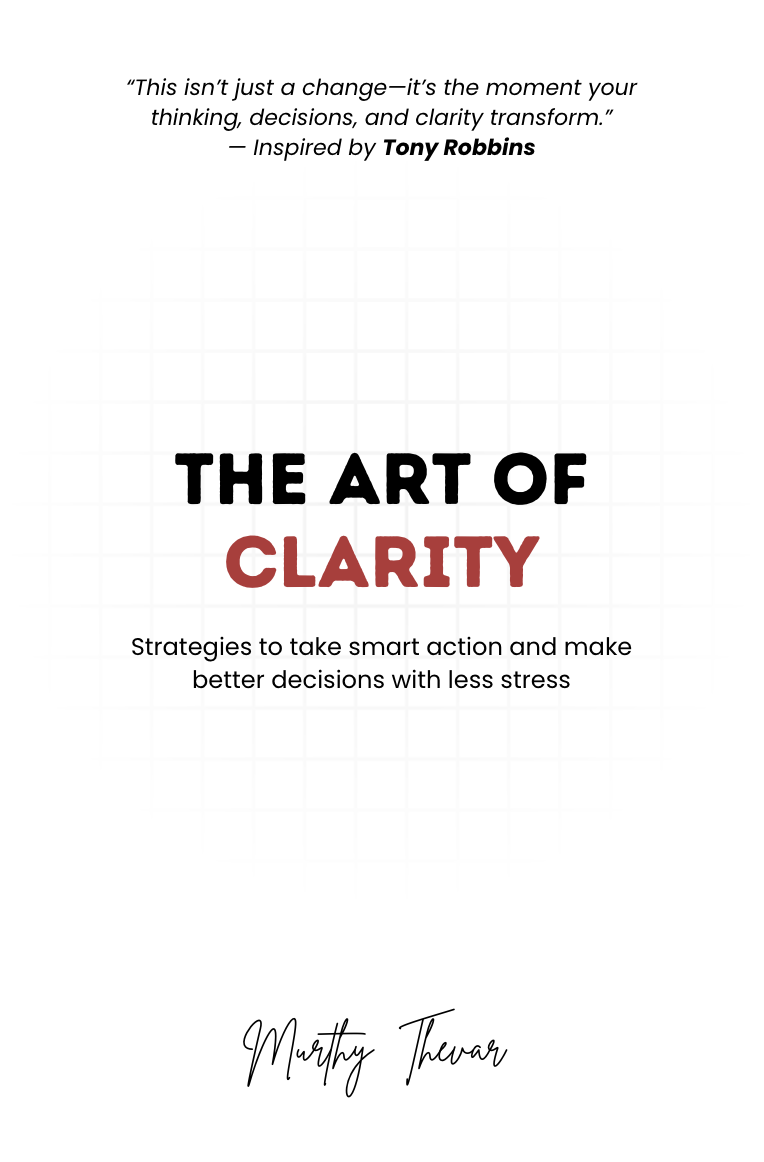
The Art of Clarity by Murthy Thevar is a natural first step for anyone who finds that their mind is busier than it is useful. It treats clear thinking as a practical skill, showing how to cut through overthinking, separate what matters from what is merely loud, and make decisions you can stand behind. In the spirit of this year's theme, it is a book about staying steady when the world around you is not.
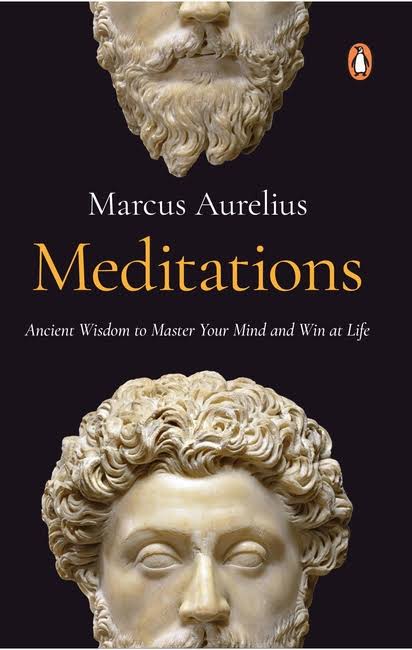
Meditations by Marcus Aurelius is the private notebook of a Roman emperor reminding himself to stay calm, fair and focused. It was never meant for publication, which is exactly why it feels so honest. Read a few entries each morning.
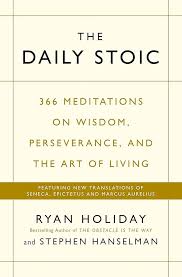
The Daily Stoic by Ryan Holiday and Stephen Hanselman turns Stoic philosophy into a one-page-a-day habit, with a short reading and commentary for every date of the year. If you want to build a philosophy habit rather than read one book, start here. Holiday's The Obstacle Is the Way is the best short introduction to the Stoic idea that difficulties can become the material for growth.
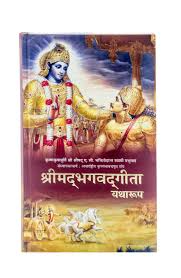
The Bhagavad Gita (Eknath Easwaran's widely loved translation) is one of the world's great works of practical philosophy: a dialogue about duty, action without attachment to results, and a steady mind in the middle of conflict. Easwaran's introductions make it very accessible to first-time readers.
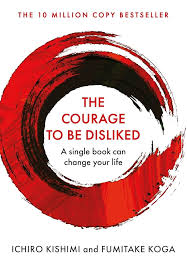
The Courage to Be Disliked by Ichiro Kishimi and Fumitake Koga is written as a conversation between a philosopher and a young man, in the tradition of Socratic dialogue. It introduces Alfred Adler's ideas about freedom, responsibility and relationships, and has become a modern bestseller precisely because it reads so easily.
Think about thinking: philosophy meets psychology and history
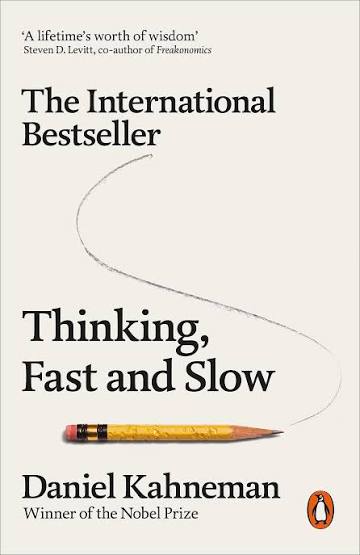
Thinking, Fast and Slow by Daniel Kahneman is not a philosophy book in name, but it tackles one of philosophy's oldest questions: how reliable is our own judgement? Its account of fast, intuitive thinking and slow, deliberate thinking will change how you evaluate your own opinions.
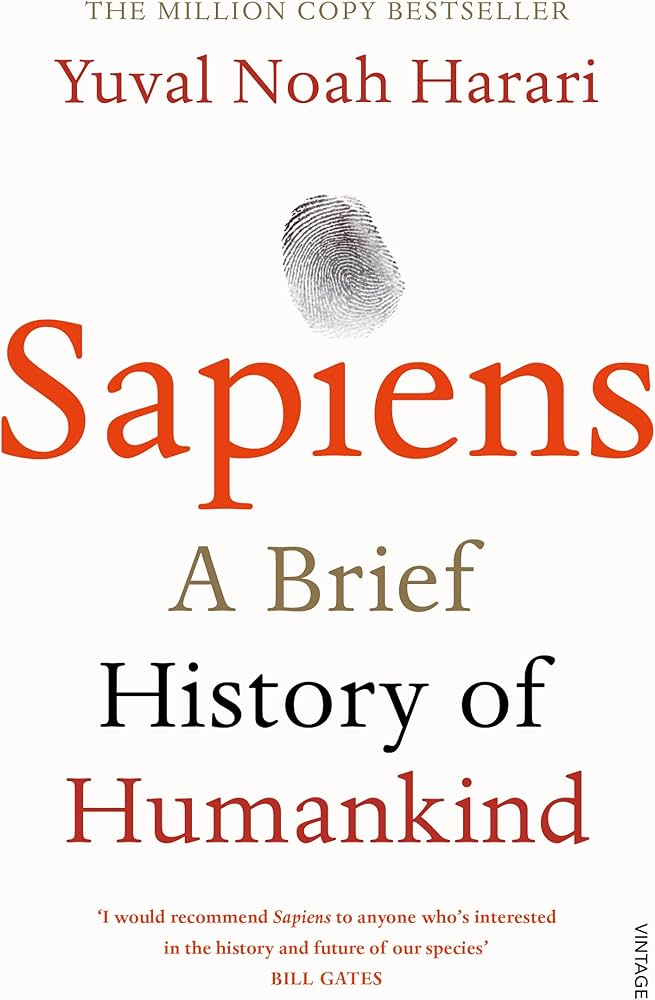
Sapiens: A Brief History of Humankind by Yuval Noah Harari asks big philosophical questions through history: why humans cooperate, what money and nations really are, and whether we are happier than our ancestors. It is an excellent conversation starter for book clubs.
The Almanack of Naval Ravikant collects one entrepreneur's reflections on wealth, judgement and happiness. Many of its ideas, like wanting less and reading widely, echo the Stoics and Indian thought in a modern, quotable form.
Philosophy through fiction
Notes from Underground by Fyodor Dostoevsky is often called the first existentialist novel: a bitter, funny and painfully honest narrator who rebels against the idea that humans always act in their own rational interest. It is short, which makes it a good first Dostoevsky.
The Metamorphosis by Franz Kafka begins with a man waking up as an insect and becomes a quiet meditation on identity, work and family duty. You can read it in one sitting and think about it for weeks.
Animal Farm by George Orwell is political philosophy in the form of a fable, showing how ideals of equality can be twisted by power. It remains one of the best books for teenagers and adults to discuss together.
The Alchemist by Paulo Coelho, a perennial bestseller in India, is a gentle parable about purpose, listening to your heart and recognising the treasure close to home. The Midnight Library by Matt Haig explores regret and the lives we did not live, landing on a surprisingly philosophical conclusion about what makes a life worth living.
Tuesdays with Morrie by Mitch Albom records a former student's weekly conversations with his dying professor about love, work, ageing and forgiveness. It is the warmest possible introduction to the oldest philosophical question of all: how should we live, knowing that life ends?
Philosophy is not about having all the answers. It is about asking better questions, and a good book is one of the best places to practise.
A simple 4-week reading plan
- Week 1 (calm mind): read The Art of Clarity and begin The Daily Stoic one page a day.
- Week 2 (how to live): read The Courage to Be Disliked and dip into The Bhagavad Gita, one chapter at a time.
- Week 3 (how we think): work through the first part of Thinking, Fast and Slow, noting one bias you recognise in yourself each day.
- Week 4 (feel the questions): finish with a short novel such as Notes from Underground or The Metamorphosis, then write a page on what it made you question.
Make it a gift
How to celebrate World Philosophy Day at home, school or work
- Host a 30-minute discussion around one question, such as "Is it ever right to break a rule?" or "What do we owe strangers?"
- Read one passage of Meditations or the Gita aloud with family and ask each person what it means to them.
- In classrooms, run a mini Socratic dialogue on this year's theme: how can people with different views live together well?
- At work, try a no-phones walk with a colleague and talk about one decision you are each struggling with.
- Start a two-person reading pact: pick one book from this list and finish it together by the end of December.
Final thought
You do not need a degree to do philosophy. You need curiosity, a little quiet, and a good book. This World Philosophy Day, pick one title from this list and give it fifteen minutes a day. In a world that rewards fast reactions, slow, clear thinking is one of the most useful habits you can build.