The Booker Prize, the award most of us associate with literary fiction for adults, has finally turned its attention to younger readers. On 24 November 2026, the Booker Prize Foundation announced the shortlist for the first-ever Children's Booker Prize, a new annual award for fiction aimed at readers aged 8 to 12. Eight books made the cut, and the winner will be named at a ceremony on 2 February 2027.
For Indian parents, teachers and anyone shopping for a child this December, the announcement is a useful prompt. The 8 to 12 years are when a child either becomes a reader for life or quietly drifts away from books. This guide explains what the new prize is, lists the shortlisted 'Great Eight', and then suggests books, most of them easy to find in India, that can carry a young reader through these crucial years.
Children's Booker Prize at a glance
What is the Children's Booker Prize?
The Children's Booker is the newest offshoot of the Booker family, which already includes the Booker Prize and the International Booker Prize. It is designed for middle-grade fiction, the stage between picture books and young adult novels. The prize will be awarded every year starting in 2027.
Two details make it stand out. First, the final decision will not be made by adults alone: four child judges, aged 8 to 12 and chosen from more than 4,000 applicants, join the adult panel for the final round. Second, the Booker Prize Foundation has said it will donate at least 30,000 copies of the shortlisted books to children across the UK and Ireland. The message is clear: a children's prize should be about getting books into children's hands, not just onto award lists.
The adult judges who narrowed 89 submissions down to the shortlist are Frank Cottrell-Boyce (chair), writer and actor Lolly Adefope, and children's bookseller Sanchita Basu De Sarkar.
The shortlist: meet the 'Great Eight'
- The Worst Thing That Could Possibly Happen by Guy Bass, illustrated by David Roberts
- Tadpole Summer by Catherine Bruton
- War by Eoin Colfer and Andrew Donkin, illustrated by Giovanni Rigano (a graphic novel)
- The Night I Borrowed Time by Iqbal Hussain
- The Teller of Tall Tales by Liz Hyder, illustrated by Tom de Freston
- The Rambler's Curse by Mikey Please
- Séamus Almost Famous by Jessica Scott-Whyte, illustrated by Becka Moor
- Hometown by Shaun Tan
The list mixes well-known names with newer voices. Eoin Colfer is best known for the Artemis Fowl series, and Shaun Tan is an award-winning author-illustrator whose visual storytelling has a large following among adults as well as children. The presence of a graphic novel on the list is a quiet but important signal: comics and illustrated stories are real reading, and children who love them are real readers.
A note for Indian readers
Why ages 8 to 12 matter so much
Ask adults who love reading when it started, and many will name a book they read around the age of ten. This is the window when children move from being read to to reading on their own, when they choose books for themselves for the first time, and when reading starts to compete seriously with screens, homework and tuition.
Research on reading for pleasure consistently links it with stronger vocabulary, comprehension and confidence, but the practical lesson for parents is simpler: in these years, the right book matters more than the 'improving' book. A child who finishes a funny, gripping story feels like a reader. A child forced through a book that is too hard or too dull often concludes that reading is not for them.
Books for Indian kids aged 8 to 12: a starter shelf
While the Great Eight make their way to readers, here is a shelf that covers the same ground, humour, adventure, myth and real life, using books that are easy to find in India.
For the reluctant reader: start with laughter and pictures
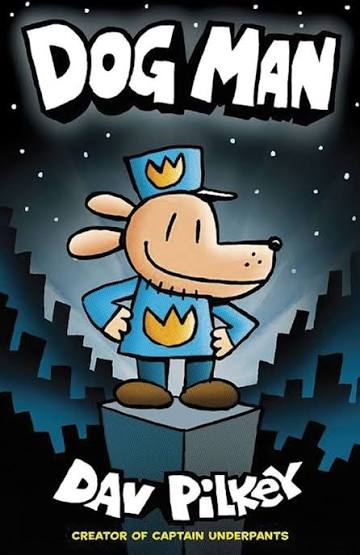
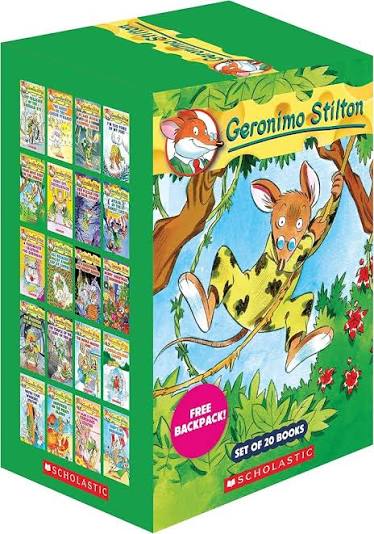
If your child says they 'do not like reading', start with books that feel like fun rather than homework. The Diary of a Wimpy Kid (15-Book Set) has turned more reluctant readers into regular ones than almost any series of the last two decades, thanks to its short chapters and cartoon-filled pages. Dav Pilkey's Dog Man books work the same way and pair naturally with the Children's Booker's recognition of graphic storytelling. For younger readers in the range, the Geronimo Stilton Collection (20-Book Set) uses playful fonts and colour to keep pages moving.
For the adventure-hungry reader
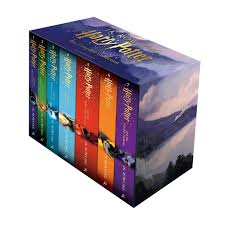
Children who are ready for longer stories often want worlds they can live in for weeks. The Harry Potter Series Set (Books 1-7) remains the classic choice, and it grows with the reader: the early books suit 8 and 9 year olds, while the later ones are better around 11 and 12. The Percy Jackson Ultimate Collection by Rick Riordan mixes Greek myth with fast, funny action and is a favourite with children who also enjoy Indian mythology.
For the reader who loves Indian stories
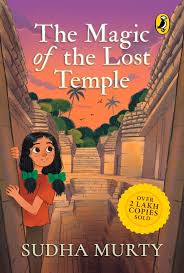
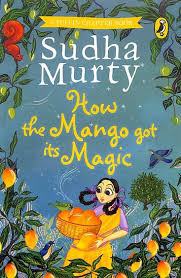
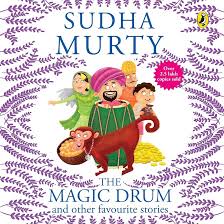
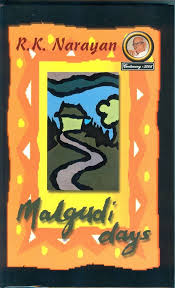
Indian children deserve to see their own homes, grandparents and festivals on the page. Sudha Murty's The Magic of the Lost Temple captures a city child's summer in a Karnataka village, while How the Mango Got Its Magic and The Magic Drum retell folk tales in short, read-aloud-friendly chunks. R.K. Narayan's Malgudi Days is a gentle bridge to adult literature for 11 and 12 year olds.
For myth, Devdutt Pattanaik's Jaya: An Illustrated Retelling of the Mahabharata is a rich family read, and Roopa Pai's The Gita: For Children explains big ideas in a voice that respects young readers' intelligence.
For the thoughtful older child
At 11 or 12, many children are ready for books that ask harder questions. The Diary of a Young Girl by Anne Frank introduces history through a voice their own age. Wings of Fire, Dr A.P.J. Abdul Kalam's autobiography, shows how curiosity and hard work can carry a child from a small town to the country's highest office. Little Women and Animal Farm are classics that read well at this age and reward a second reading later in life. And The Boy, the Mole, the Fox and the Horse by Charlie Mackesy is a beautiful book to share across generations, especially for a child going through a hard time.
For parents: helping a child become a reader
Choosing books is only half the job. The other half is building a home where reading feels normal and enjoyable. A few habits that work:
- Let them choose. Offer three or four options and let your child pick. Ownership is a powerful motivator.
- Do not look down on comics or series. Judges for the Children's Booker shortlisted a graphic novel. Volume and enjoyment build stamina for harder books later.
- Read aloud beyond the early years. Even confident 10 year olds enjoy being read to, and it lets you share books slightly above their reading level.
- Make a small daily window. Fifteen or twenty minutes before bed, with screens away, is more effective than an occasional long session.
- Read in front of them. Children copy what adults do far more than what adults say.
If you want to sharpen your own approach, How to Read a Book by Mortimer Adler is a classic guide to reading actively, and Carol Dweck's Mindset: The New Psychology of Success offers useful language for encouraging children who feel they are 'not good at' reading. For a calmer approach to the noise of modern parenting and decision-making, The Art of Clarity by Murthy Thevar is a short, practical read on cutting through overthinking and focusing on what matters, which, in a house full of homework, screens and schedules, is often the family's reading time.
A children's prize should be measured by how many children end up holding the books. A reading habit is built the same way: one book, put into one child's hands, at the right moment.
Gifting books this season
With Christmas, school winter breaks and New Year coming up, books are one of the most useful gifts for children aged 8 to 12. A series box set gives a child weeks of reading, and a single well-chosen novel can become the book they remember for years. On TheBookX, books start from ₹1, with free delivery and Cash on Delivery across India. Add gift wrapping for ₹25 and the book arrives ready to hand over.
Quick picks by age
The bottom line
The first Children's Booker Prize is good news for young readers everywhere, not because Indian children must read the eight shortlisted books, but because it reminds adults that children's books deserve the same attention and celebration as adult literature. Follow the winner announcement on 2 February 2027, look out for the shortlisted titles, and in the meantime, put a good book in a child's hands this month.
Pick one book for a child you know, and read the first chapter together this weekend.