World Science Day for Peace and Development is observed every year on 10 November, which means it arrives tomorrow. UNESCO proclaimed the day in 2001 and it was first celebrated in 2002, with a simple goal: to remind everyone that science belongs to society, and that shared knowledge is one of the most reliable foundations for peace. Listings for the 2026 observance describe the theme as "Common ground through science diplomacy", a nudge to see how cooperation between scientists and countries helps tackle climate change, biodiversity loss and public health.
For readers, the day is a good excuse to pick up a book that makes science feel human. You do not need a laboratory or a degree. You need curiosity and a few quiet evenings, and the right book will do the rest.
Why science and peace belong together
Science works because its claims can be checked by anyone, in any country, and corrected when they are wrong. That habit of open evidence is what the UNESCO observance celebrates. The objectives it highlights include raising public awareness of how science supports peaceful and sustainable societies, encouraging the sharing of research across borders, and renewing support for the institutions that do the work.
Quick facts
Books that make the universe feel close
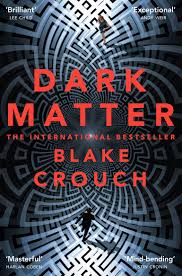
Start with the sky. Cosmos by Carl Sagan remains one of the most loved introductions to astronomy and to the idea that we are part of something vast, written with the warmth of a storyteller. If you prefer fiction with real scientific puzzles, Project Hail Mary by Andy Weir follows a lone astronaut solving problem after problem with nothing but reasoning, and it is hard to put down. Dark Matter by Blake Crouch is a fast thriller built on quantum ideas, and The First Fifteen Lives of Harry August by Claire North plays with time in a quieter, more literary way.
Indian science and the spirit of enquiry
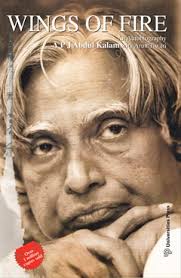
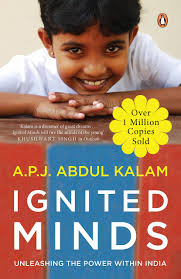
No Indian reading list for science is complete without Dr A.P.J. Abdul Kalam. Wings of Fire traces his journey from Rameswaram to India's space and missile programmes, and it is as much about perseverance as about engineering. Ignited Minds: Unleashing the Power Within India turns to young people and asks them to dream bigger and work harder. Both are excellent gifts for a school student who is deciding what to study next.
Science is not only a body of facts. It is a way of asking better questions and being willing to change your answer.
Understanding ourselves: brain, body and behaviour
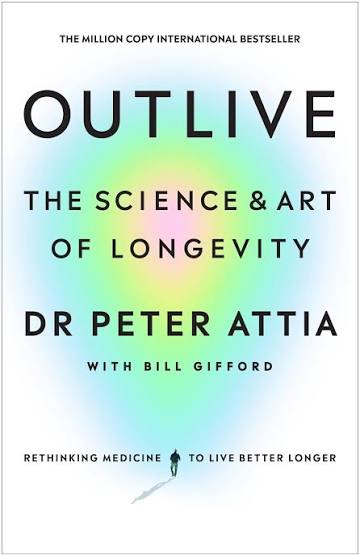
Some of the most useful science is about us. Why We Sleep by Matthew Walker explains why rest matters for memory, mood and health. Outlive by Peter Attia looks at how to stay healthy for longer. Behave by Robert Sapolsky tries to explain why humans act the way they do, drawing on biology and psychology. Dopamine Nation by Anna Lembke is a sharp look at pleasure, habit and balance in the age of the smartphone. For the thinking behind our decisions, Thinking, Fast and Slow by Daniel Kahneman is a landmark.
Science, society and big ideas
Factfulness by Hans Rosling argues, with data, that the world is better in many ways than we assume, and it trains you to check your instincts against evidence. Sapiens: A Brief History of Humankind by Yuval Noah Harari covers the long story of our species. The God Delusion by Richard Dawkins is a famous and often debated argument about science and belief, and reading it alongside other views is itself good scientific practice. The Design of Everyday Things by Don Norman shows how careful observation and testing make the objects around us easier to use.
Stories with a scientist at the heart
Lessons in Chemistry by Bonnie Garmus follows a brilliant chemist in the 1960s who refuses to be sidelined, and Klara and the Sun by Kazuo Ishiguro imagines a robot companion learning what it means to care. When Breath Becomes Air by Paul Kalanithi is a memoir by a neurosurgeon-scientist facing a terminal illness, thoughtful and deeply moving.
How to build a science reading habit
- Pick one book from the list that matches a question you already have, such as space, sleep or the mind.
- Read twenty minutes a day. A short daily window beats a heroic weekend that never happens.
- Keep a notebook of questions. The Art of Clarity by Murthy Thevar is a useful companion for turning vague thoughts into clear ones, and clarity is half of scientific thinking.
- Pair one deep book with a habit book such as Atomic Habits so the reading actually sticks.
- Discuss it with a friend or a child. Explaining an idea is the fastest way to find out if you understand it.
Gifting a curious child
Buy science and ideas books online in India
TheBookX has books from ₹1, free delivery and Cash on Delivery across India, so a stack of reading for the week of World Science Day does not need to cost much. Add a few titles to your cart today and start a new habit tomorrow.
Science does not need to be intimidating. Pick one curious book, read a chapter tomorrow, and let 10 November be the day you started asking better questions.