World Heart Day falls on Tuesday, 29 September 2026. It was established in 2000 by the World Heart Federation, a Geneva-based body with more than two hundred member organisations across over a hundred countries, and this year's theme is Don't Miss a Beat, built around consistent monitoring, recognising warning signs early, and using wearables and apps to track cardiac risk rather than waiting for a crisis to reveal it. The scale behind the day is blunt: cardiovascular disease kills an estimated 20 million people a year worldwide, more than any other single cause of death, and the World Heart Federation's own position is that most of that toll is preventable through ordinary lifestyle change rather than expensive intervention.
That last point is where a bookshop has something genuine to add to a day usually left to hospitals and fitness trackers. Reading is not a cardiology treatment, and nothing here should be read as medical advice. But the link between what you read, how calm you are, and how your heart behaves minute to minute is better documented than most people assume, and 29 September is as good a day as any to actually look at it rather than repeat the vague claim that books are good for you.
World Heart Day 2026, in one place
The stress-reading connection: what the research actually found
The most cited study here is a small but frequently repeated piece of research out of the University of Sussex, led by the cognitive neuropsychologist Dr David Lewis in 2009. Volunteers were put through a standard stress induction, then given one of several common unwinding activities: reading, listening to music, drinking tea or coffee, going for a walk, or playing video games. Stress was tracked through heart rate and muscle tension, not self-reported mood. Reading for as little as six minutes reduced measured stress levels by around 68 per cent, more than every other activity tested, ahead of music at 61 per cent, tea or coffee at 54 per cent, and walking at 42 per cent. Heart rate slowed and muscle tension eased faster with a book than with any of the alternatives.
The proposed mechanism is not mysterious. A genuinely absorbing narrative occupies the same attentional bandwidth that rumination and anxious anticipation usually use, which is a more literal description than it sounds: you cannot simultaneously worry about tomorrow's meeting and track what is happening to a character on the page, so the nervous system gets a real break rather than a distraction dressed up as one. That is also why a phone, which interrupts itself every few minutes with a notification, does not reliably produce the same effect. A book has to hold attention continuously for the calming effect to show up in heart rate.
For calming the nervous system down
None of this argues for reading as medicine. It argues for reading as one of the cheapest, most evidence-backed stress-management tools available, and for treating twenty quiet minutes with a real book the way a cardiologist treats a short daily walk: small, repeatable, and worth doing regularly rather than occasionally. Start with the books built specifically around a calmer, steadier mind.
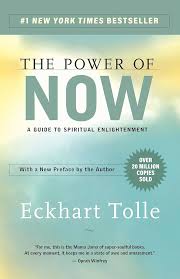
- The Power of Now by Eckhart Tolle. The standard text on present-moment attention, and the closest thing on this list to a direct instruction manual for interrupting the anxious loop the Sussex study found reading breaks so effectively.
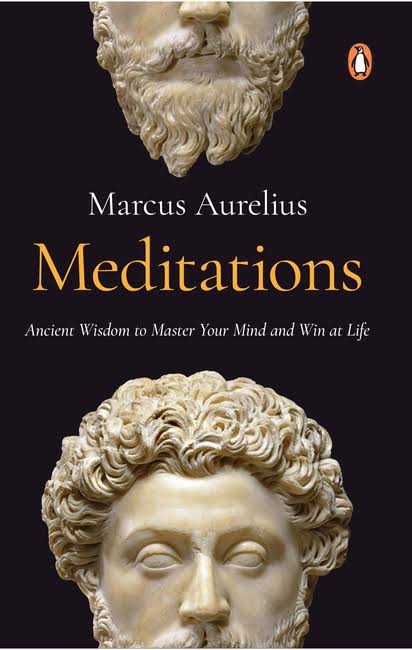
- Meditations by Marcus Aurelius. Private notebooks written by a Roman emperor to keep himself steady under real pressure, not published wisdom performed for an audience. Short entries, so it survives being read in five-minute pieces before bed.
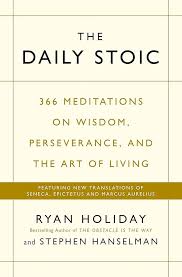
- The Daily Stoic by Ryan Holiday. A page a day rather than a book to finish, which suits a habit you are trying to build rather than a project you are trying to complete.
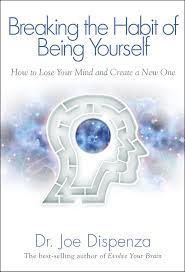
- Breaking the Habit of Being Yourself by Dr Joe Dispenza. A more clinical look at how repeated stress responses get wired into the body, and what it actually takes to unwire them.
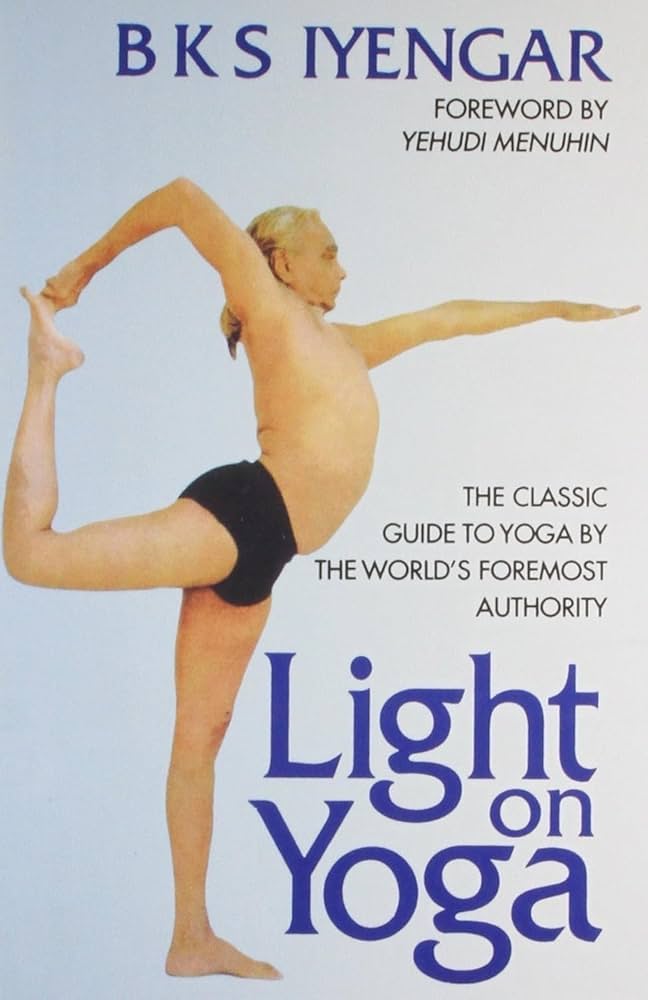
- Light on Yoga by B.K.S. Iyengar. The reference text if the calming practice you want is physical rather than only mental. Breath-led movement is one of the few habits with genuine cardiovascular research behind it.
For building the habits that protect a heart over decades
World Heart Federation guidance keeps coming back to the same unglamorous point: prevention is mostly a habits problem, not a willpower problem. These are the books that treat it that way.
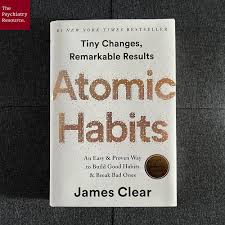
- Atomic Habits by James Clear. The clearest existing explanation of why small, repeated actions compound and grand resolutions do not, which is the entire logic behind daily heart-healthy habits over dramatic short-term fixes.
- Ikigai by Héctor García and Francesc Miralles. Built around Okinawa, one of the world's genuine longevity hotspots, and the ordinary daily habits, sense of purpose and community ties its centenarians actually credit.
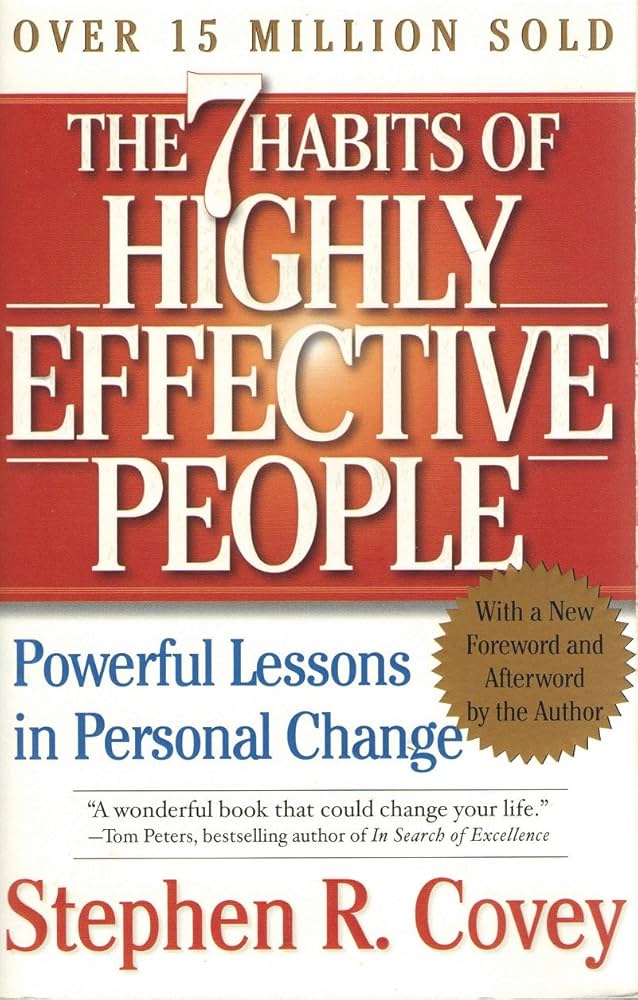
- The 7 Habits of Highly Effective People by Stephen R. Covey. Less about productivity than it is remembered for, and mostly about the gap between what people say they value and how they actually spend their days, which is where most preventable stress lives.
- The Monk Who Sold His Ferrari by Robin Sharma. A burned-out lawyer's route back to a slower, more deliberate life, framed as fiction but built almost entirely around habits a cardiologist would approve of.
- The Art of Clarity by Murthy Thevar. A short, practical book on thinking without the noise, useful for the specific kind of low-grade mental clutter that keeps a stress response switched on long after the actual problem has passed.
Two books that look mortality straight in the eye
Not every book that belongs on a World Heart Day list is calming, and it would be dishonest to pretend otherwise. When Breath Becomes Air by Paul Kalanithi is a neurosurgeon's account of his own terminal cancer diagnosis at thirty-six, written in the eighteen months he had left. It is not about heart disease, but it is the sharpest book available on the specific subject of paying attention to a body that has started sending warning signs, which is the entire point of this year's Don't Miss a Beat theme.
The Body Keeps the Score by Bessel van der Kolk is the more clinical companion piece: a psychiatrist's research into how chronic stress and unresolved trauma reshape the nervous system and the body along with it, including the cardiovascular system. It is a demanding read, not a bedtime one, but it is the book that explains why the stress this article keeps mentioning is not an abstraction.
Very little is needed to make a happy life.
That is Marcus Aurelius, writing to himself rather than to a reader, roughly two thousand years before anyone measured cortisol in a lab. The Sussex study essentially confirmed the same thing with instruments: the fix most people need is smaller and cheaper than the one they assume they need.
Fiction with heart, literally
The Sussex volunteers were not reading self-help. Most of the strongest stress-reduction effects in studies like this come from absorbing fiction, because a story with real stakes pulls attention harder than an instructional text does. If the last few sections read like homework, these do not.
- Heart Bones by Colleen Hoover. A summer of unexpected connection after a family loss, built exactly the way an absorbing-fiction stress test would want it built: fast, emotionally direct, and hard to put down mid-chapter.
- Once Upon a Broken Heart by Stephanie Garber. A fairytale-adjacent fantasy romance with a genuinely inventive premise, for a reader who wants escape rather than realism tonight.
- Happy Place by Emily Henry. A broken-up couple keeping up appearances for one last group holiday. Warm rather than saccharine, and the kind of book that is genuinely difficult to keep worrying through.
- The Alchemist by Paulo Coelho. Short enough to finish in a single calm evening, and its entire plot is a shepherd learning to listen to what his own heart is actually telling him, which is a fitting note to end a World Heart Day list on.
None of this replaces a blood pressure cuff or a cardiologist's advice, and if World Heart Day 2026 prompts one real action, let it be the World Heart Federation's actual ask: know your numbers, get them checked if it has been a while, and treat warning signs as a reason to see a doctor rather than to read around the problem. Between check-ups, twenty quiet minutes with one of the books above is a genuinely evidence-backed way to bring a racing heart rate down, and at TheBookX every one of them starts from ₹1, with free delivery and Cash on Delivery across India.