The Goodreads Choice Awards are the one big book prize where judges do not decide anything. Readers do. Voting for the 2026 edition opened on Tuesday, 10 November, and for the next few weeks your feed will be full of people arguing about whether a Freida McFadden thriller deserves to beat a Liane Moriarty, or whether Matt Haig can win again with a train instead of a library.
This guide covers what Indian readers need to know: how the voting works and when each round closes, the categories and the most talked-about nominees, and, most usefully, which books by this year's nominated authors you can actually pick up now. Many of the 2026 nominees are brand-new hardbacks that take time to reach Indian shelves at sensible prices. The earlier books by the same writers are already here, and they are often the better place to start.
Goodreads Choice Awards 2026 at a glance
How the Goodreads Choice Awards work
Goodreads builds the opening-round list of 20 books per category from what its members have been reading and rating through the year. Readers then vote, one vote per category, and can also write in a book that was left out. The opening round runs until Sunday, 22 November. The field is then cut to 10 books per category for the final round from 24 to 29 November, and winners are revealed on 3 December.
Because the result is a popularity vote, it tells you something different from the Booker or the National Book Awards. It does not say which book is the most accomplished. It says which books readers loved enough to recommend to strangers, and that makes it a very handy shopping list.
The 15 categories for 2026
- Fiction, Historical Fiction, and Debut Novel
- Mystery & Thriller, and Horror
- Romance, and Romantasy
- Fantasy, and Science Fiction
- Young Adult Fiction, and Young Adult Fantasy & Sci-Fi
- Nonfiction, Memoir, and History & Biography
- Audiobook
The nominees everyone is talking about
Fiction
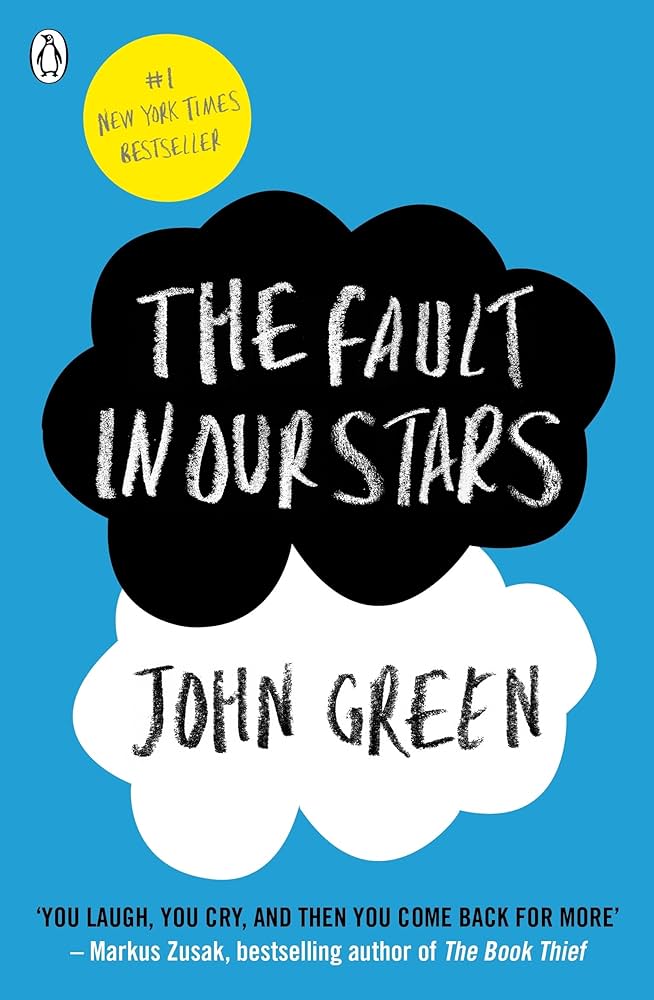
The Fiction shortlist is unusually stacked. It includes Ann Patchett's Whistler, Elizabeth Strout's The Things We Never Say, Barbara Kingsolver's Partita, Douglas Stuart's John of John, Jodi Picoult's Hollow Bones, Ben Lerner's Transcription and R.F. Kuang's Taipei Story. John Green is also there with Hollywood, Ending, his first novel for adults. If you have never read Green, The Fault in Our Stars is still the book that explains his huge, loyal readership. Kuang, meanwhile, is one of the most discussed writers of the decade: Yellowface is a sharp, very readable satire of publishing, and Babel is the big, ambitious fantasy about language and empire that made her name. Emma Cline, nominated for Switzy, first broke through with The Girls.
Mystery & Thriller
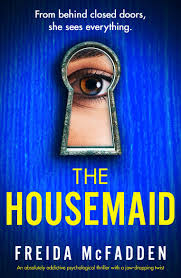
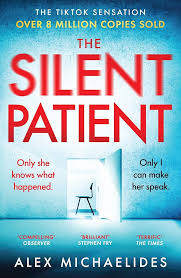
Freida McFadden has two books in this one category, Dear Debbie and The Witch, which tells you everything about her hold on thriller readers. She shares the list with Liane Moriarty (Big Little Truths), Lisa Jewell, Lucy Foley, Riley Sager, Alice Feeney, Karin Slaughter and John Grisham. For Indian readers the good news is that McFadden is easy to find here: start with The Housemaid, the book that set off the craze, then try Dear Debbie or The Teacher. If you like a twist that rewrites the whole book, The Silent Patient by Alex Michaelides belongs on the same pile.
Fantasy and Romantasy
Matt Haig is nominated in Fantasy for The Midnight Train, alongside Leigh Bardugo's Dead Beat, Kate Quinn's The Astral Library, S.A. Chakraborty, Robert Jackson Bennett and Jim Butcher. Haig's The Midnight Library remains one of the most gifted novels in India, and it is the natural way into the new book. Bardugo fans who have not yet read the Grishaverse heist novel Six of Crows are in for a treat. The Romantasy category, according to Parade's round-up of the nominees, features new work from Sarah J. Maas and Rebecca Yarros, so this is a good moment to begin A Court of Thorns and Roses (5-book box set) or Fourth Wing.
Romance
Romance readers will recognise Abby Jimenez, Carley Fortune, Elle Kennedy and Elsie Silver on the list. Two nominees have big Indian followings: Ana Huang, nominated for King of Gluttony from her Kings of Sin series (start with King of Wrath), and Liz Tomforde, nominated for In Her Own League (catch up with the Windy City Series).
Nonfiction, Memoir and History
The Nonfiction list includes Andrew Huberman's Protocols, Adam Grant's Vibe and Robert Kolker's The Vanishing Family. Kolker is one of the best narrative non-fiction writers working today, and his earlier Lost Girls shows why. In Memoir, Gisèle Pelicot's A Hymn to Life and Ke Huy Quan's Never Say Die are the headline names, and Jon Meacham's American Struggle leads History & Biography.
A reader-voted prize is not a verdict on the best book of the year. It is a map of which books people pressed into their friends' hands. Use it that way.
How to use the awards as an Indian reader
- Vote in the categories you actually read. You can skip any category, and a thoughtful vote in two categories beats a random one in fifteen.
- Write in a book you loved that is missing. The opening round allows write-in votes, and that is how deserving books sneak into the final.
- Read backlist first. New 2026 hardbacks often arrive late and at import prices in India. An author's earlier, already-popular paperback tells you whether you will love the new one.
- Keep a list for December. Winners land on 3 December, just in time for year-end gifting and holiday reading.
- Read across categories. If you only read thrillers, try one memoir or one fantasy nominee this month. The awards are a low-risk way to widen your reading.
Non-fiction to balance the season
Award season can mean a lot of fiction. If you want something to think with, alongside the nominees, these remain the most borrowed and gifted non-fiction books among our readers: Atomic Habits by James Clear, The Psychology of Money by Morgan Housel, Deep Work by Cal Newport and Sapiens by Yuval Noah Harari.
And if a busy year has left your head crowded, The Art of Clarity by Murthy Thevar is a short, practical read on thinking and communicating clearly. It is a good companion for the end of the year, when everyone is making lists, plans and resolutions.
Build your awards reading pile for less
Opening-round voting closes on 22 November, so if a book moved you this year, now is the time to say so. We will be watching the final round with you.