The 2026 Booker Prize has gone to M. John Harrison for The End of Everything. The British writer, who is 81, was named the winner at a ceremony at Old Billingsgate in London on Monday, 9 November 2026 (the news reached Indian readers on the morning of 10 November). He takes home £50,000 and becomes the oldest author ever to win the prize, two years older than Margaret Atwood was when she shared it in 2019.
It is also a result that will be argued about for a while. The End of Everything is a short, strange, satirical piece of speculative fiction, and it has been widely described as the first science fiction novel to win the Booker. Below is what the book is about, why the judges chose it, who it beat, and a reading list to help you get into Harrison's kind of fiction while the winner makes its way to Indian bookshelves.
Booker Prize 2026 at a glance
What is The End of Everything about?
The novel is set on England's Channel coast a few decades from now, after an unexplained catastrophe has broken ordinary life apart. Society has frayed, something alien has arrived in Britain, and the people left behind are making do. At its centre are Phillip Tennent, a beachcomber, and his elderly, gun-carrying aunt Marnie. On the shore Phillip finds a puzzling artefact that keeps changing shape, and the book follows what that discovery opens up.
At about 198 pages it was the shortest novel on the shortlist. Reports describe it as a dystopian satire, but the judges were keen to stress that it is not a bleak read. Mary Beard said the book turns readers upside down and still leaves them with a wry smile and a sense of optimism. If you like fiction that is funny and unsettling in the same paragraph, this is one to watch for.
Who is M. John Harrison?
Harrison has been publishing for about six decades. He was part of the New Worlds magazine scene that reshaped British science fiction in the 1960s and 1970s, and he won the Arthur C. Clarke Award for Nova Swing. The End of Everything is his thirteenth novel. In his reaction to the win he said he finally felt like a proper writer, admitted he still felt completely lacking in confidence, and spoke up for prizes like the Booker in a market he sees as dominated by industrialised fiction.
A late, unanimous win for a writer who spent sixty years on the edges of literary fiction is a reminder that the best books do not always arrive on the expected schedule.
The 2026 Booker shortlist: who Harrison beat
The judges, chaired by Mary Beard and including poet Raymond Antrobus and musician Jarvis Cocker, spent a full day debating six novels before agreeing on the winner. The other five were:
- John of John by Douglas Stuart, who won the Booker in 2020 for Shuggie Bain.
- The Disappearers by Marlon James, the 2015 winner for A Brief History of Seven Killings.
- The Things We Never Say by Elizabeth Strout, the Pulitzer-winning author of Olive Kitteridge.
- Black Bag by Luke Kennard.
- May We Feed the King by Rebecca Perry.
Beating two former winners and one of the most loved novelists in English with a short science fiction satire is part of why this result is getting so much attention.
Why this win matters for readers
For years, readers who love speculative fiction have been told, often implicitly, that it belongs in a separate section from serious literature. This year's result quietly undoes that. A book about an alien presence on a ruined coast now sits on the same list as The God of Small Things and Wolf Hall. If you have ever felt slightly embarrassed about loving science fiction, the Booker judges have just given you permission to stop.
It is also a good reminder for students and anyone preparing for literature exams or quizzes: prize winners, records and firsts tend to show up as current-affairs questions. Note the key facts in the callout above.
Read this while you wait: 15 books in the same spirit
The End of Everything and the rest of the shortlist are new releases and may take time to reach every Indian retailer. In the meantime, these books from our catalogue will give you the same pleasures: strange futures, sharp social satire, and literary novels that refuse to sit in one genre.
Classic dystopias and satire
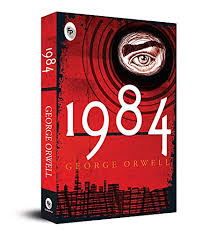
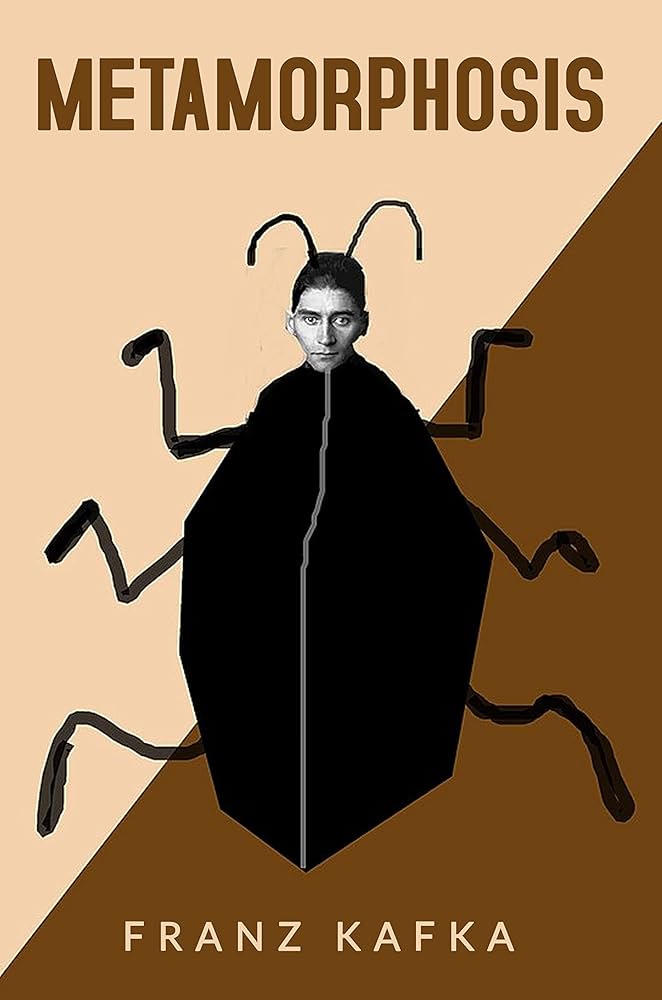
Start with 1984 and Brave New World, the two novels every dystopia is still measured against. Animal Farm is the shortest route into political satire, and like Harrison's book it proves that a slim novel can hit very hard. For something even stranger, The Metamorphosis by Kafka is the original story of an ordinary life interrupted by something impossible.
Literary fiction that borrows from science fiction
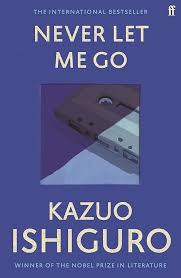
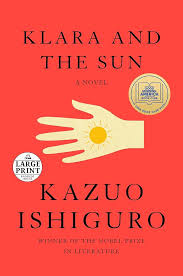
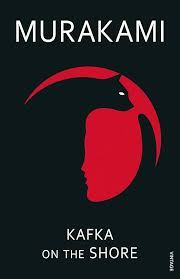
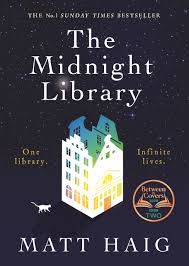
Kazuo Ishiguro, himself a Booker winner, is the best bridge between the two worlds. Never Let Me Go was shortlisted for the Booker in 2005 and uses a quiet speculative idea to ask what makes a life worth living, while Klara and the Sun tells a story of love and loneliness through the eyes of an artificial friend. Kafka on the Shore by Haruki Murakami blends the dreamlike and the everyday in a way Harrison's fans will recognise. The Midnight Library is the gentlest entry here, a hopeful novel about the lives we did not live.
Big, bold science fiction
If the Booker news has you curious about the genre itself, read Dune, the landmark epic about power, ecology and belief, and Project Hail Mary, a fast, funny survival story that is one of the most recommended science fiction novels of recent years.
A Booker winner from India
No Booker reading list for Indian readers is complete without The God of Small Things, Arundhati Roy's 1997 winner. Re-reading it next to news of a science fiction winner is a good way to see how wide the prize's idea of a great novel has become.
Non-fiction for big-picture thinkers
Harrison's novel is, at heart, about how people make sense of a world that has changed faster than they can explain. Sapiens: A Brief History of Humankind gives you the long view of how societies hold together and fall apart. Thinking, Fast and Slow explains why we misread uncertainty and risk. Atomic Habits is a practical book for building a daily reading routine so that next year's longlist does not catch you behind.
And if all the end-of-the-world fiction leaves your head feeling crowded, The Art of Clarity by Murthy Thevar is a calm, practical guide to cutting through noise, thinking clearly and deciding what actually deserves your attention.
How to read prize fiction without getting overwhelmed
- Start short. A novel under 250 pages, like the winner or Animal Farm, is easier to finish in a busy week.
- Read one classic alongside one new book, so you can see the conversation between them.
- Give a strange book fifty pages before deciding. Speculative fiction often takes a while to explain its rules.
- Keep a one-line note after each book: what it was about and how it made you feel. It turns reading into memory.
- Join or start a small reading circle. Prize lists are more fun when someone disagrees with you.
Order from TheBookX
If you only pick two from this list, make it Never Let Me Go for a literary take on a speculative idea and 1984 for the classic Harrison's satire is in conversation with.
Prizes come and go, but every so often one changes which books people feel allowed to love. This might be one of those years.